What is LVP Flooring?
Definition and Composition
Luxury Vinyl Plank (LVP) flooring is a premium flooring solution that combines the attractiveness of natural materials with the durability and convenience of man-made products. Composed of multiple layers, LVP typically features a waterproof core, a high-definition printed vinyl layer that mimics various surfaces like wood and stone, a protective wear layer, and backing that provides stability. The resulting product not only offers stunning visuals but also exceptional resilience against wear and tear, making it a popular choice for both residential and commercial spaces.
Benefits of Choosing LVP Flooring
Choosing LVP flooring comes with numerous advantages that appeal to homeowners and business owners alike. First and foremost, LVP is known for its durability. It’s resistant to scratches, stains, and dents, making it ideal for high-traffic areas. Furthermore, this type of flooring is designed to be waterproof, which makes it suitable for areas prone to moisture like kitchens and bathrooms. LVP flooring also offers an extensive variety of styles, colors, and patterns, allowing for creative interior design. Easy installation, often achievable through click-lock methods, and low maintenance requirements further enhance its appeal.
Common Misconceptions about LVP Flooring
Despite its growing popularity, several misconceptions surround LVP flooring. One common myth is that LVP cannot be compared to traditional hardwood or stone. While it may not be solid wood, advancements in manufacturing technology have produced LVP that closely mimics the look and feel of these materials. Another misconception is that LVP is not eco-friendly. In reality, many manufacturers are now creating LVP options from recycled materials and offering environmentally friendly choices. Additionally, there’s a belief that LVP is short-lived; however, high-quality LVP can last 20 to 30 years with proper care, rivaling even the most durable flooring options.
Types of LVP Flooring Options
Luxury Styles and Patterns
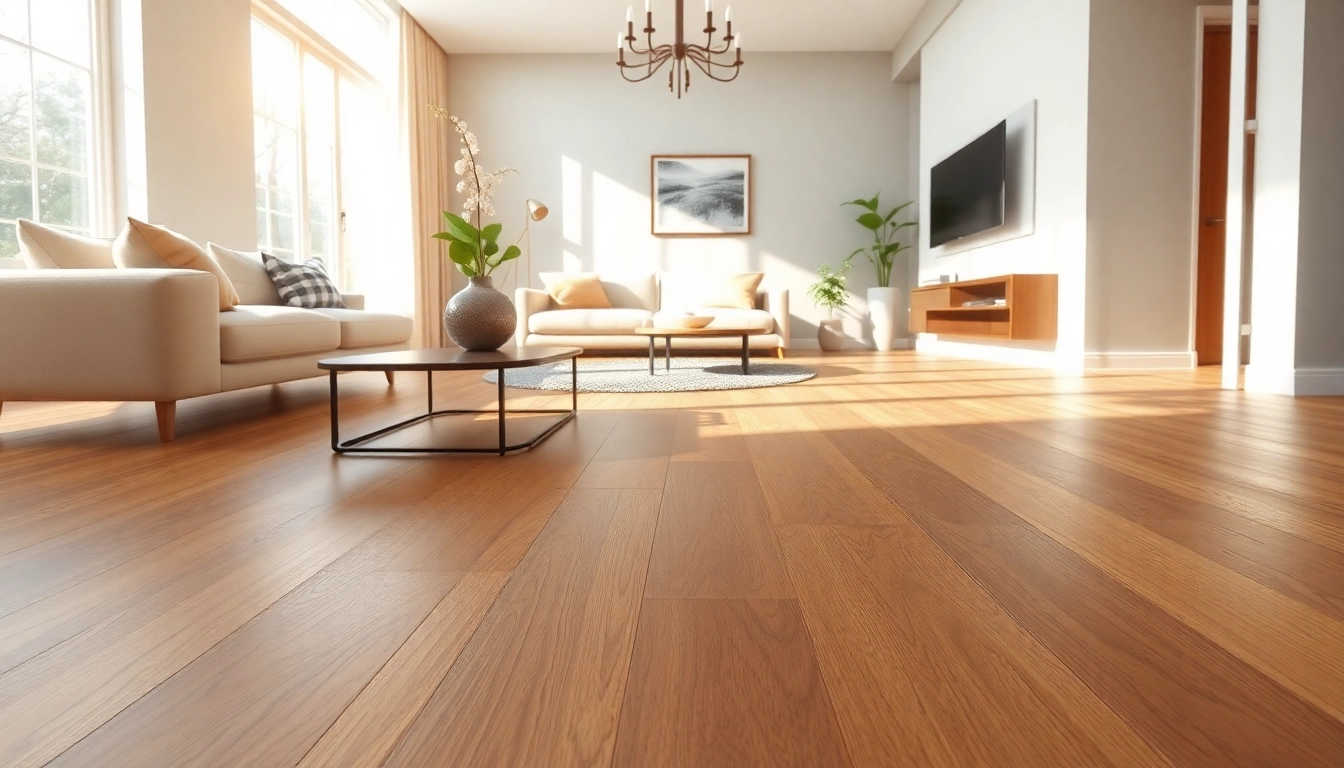
The aesthetic appeal of LVP flooring is one of its most significant advantages. With an enormous range of styles and patterns available, it can effectively replicate the look of hardwood, natural stone, and tile, catering to diverse design preferences. From rustic oak finishes to sleek, contemporary styles, homeowners can select options that complement any decor. Additionally, the patterns can vary from wide planks and herringbone designs to more intricate layouts, allowing for a customized flooring experience that elevates any space.
Texture Variations in LVP Flooring
Texture plays a vital role in the realism of LVP flooring. Advanced manufacturing techniques allow for a range of surface textures, from smooth to hand-scraped, which can enhance the floor’s visual appeal and tactile experience. Textured finishes not only contribute to the look of the flooring but also help in providing better slip resistance, making LVP a safe choice for households with children or elderly individuals.
Eco-Friendly LVP Flooring Choices
As sustainability becomes increasingly important in home improvement, consumers are seeking eco-friendly options. Various brands now offer LVP flooring constructed from recycled materials, and some products feature low-VOC finishes, contributing to healthier indoor air quality. When considering LVP flooring, looking for certifications such as FloorScore or GreenGuard can help identify products that are safer for both the environment and the inhabitants of the space.
Installation Process for LVP Flooring
Preparing Your Space for Installation
Before installing LVP flooring, adequate preparation is crucial for achieving the best results. Begin by ensuring that the subfloor is clean, dry, and level. Any existing flooring material should be assessed for stability; if it’s too uneven, there may be a need for additional underlayment or possibly removal of old materials. It’s beneficial to acclimate LVP planks to the room’s temperature and humidity levels for a few days prior to installation, further ensuring a secure fit.
DIY vs. Professional Installation
While many homeowners opt for DIY installation due to the straightforward nature of LVP flooring, hiring a professional can ensure a flawless finish. DIY kits are widely available, often including underlayment materials, installation tools, and step-by-step guides. However, if you are not experienced in flooring installation, it may be worthwhile to invest in professional services to guarantee the best outcome. Their expertise can help avoid common pitfalls and ensure that the flooring is laid correctly and securely.
Common Installation Mistakes to Avoid
Although the installation of LVP flooring can seem simple, various common mistakes can lead to subpar results. One significant error is neglecting to acclimate the planks before installation. This oversight can cause expansion or contraction of the flooring post-install, leading to gaps or buckling. Additionally, failing to properly measure and plan the layout can result in uneven seams or noticeable transitions. It’s also essential to leave adequate expansion gaps around the room to accommodate flooring movement over time.
Caring for Your LVP Flooring
Cleaning and Maintenance Tips
Maintaining LVP flooring involves straightforward cleaning and upkeep measures. Regular sweeping or vacuuming is key to removing dust, dirt, and debris that can scratch the surface. For deeper cleaning, a damp mop can be used with a pH-neutral cleaner specifically designed for vinyl floors. Avoid harsh chemicals and abrasive tools that can damage the protective wear layer. Additionally, cleaning up spills promptly will help prevent potential stains or damage.
Protecting Your Floors from Damage
To prolong the life of your LVP flooring, protective measures are essential. Using area rugs and mats can help absorb impact and reduce wear, especially in high-traffic areas. Furniture pads should be placed under heavy items to prevent indentations. Moreover, maintaining a consistent indoor humidity level can prevent expansion or contraction due to temperature changes, ensuring that your floors remain in optimal condition.
Long-term Care Strategies for Longevity
Long-term maintenance of LVP flooring is essential for its longevity. Regular inspections for signs of wear, such as scratches or dents, can prompt timely repairs. Some products come with a warranty, so understanding coverage options can help when making decisions about repair or replacement. Investing in professional cleaning services periodically can also maintain the floor’s appearance and prolong its lifespan. Applying a floor polish designated for vinyl can add an extra layer of protection and shine.
Cost Considerations for LVP Flooring
Price Range and Budgeting Tips
The cost of LVP flooring can vary widely depending on the style, brand, and quality of the product. On average, homeowners can expect to spend anywhere from $2 to $7 per square foot, excluding installation costs. Setting a realistic budget that includes potential unforeseen expenses—such as subfloor repairs or additional tools for installation—is crucial. Shopping during seasonal sales or considering clearance items can provide opportunities for cost savings.
Cost vs. Benefits Analysis
The long-term value of LVP flooring often outweighs its initial investment. Its resilience against wear and moisture, combined with aesthetic versatility, makes it a smart choice for various environments. Conducting a cost vs. benefits analysis should incorporate potential savings on maintenance and repairs compared to other flooring materials, highlighting the practicality of LVP in both residential and commercial settings.
Financing Options for Your Project
For those wanting to invest in LVP flooring but concerned about upfront costs, various financing options are available. Many retailers offer payment plans or financing through third-party services. Additionally, exploring home improvement loans or credit cards with special financing offers can ease the financial burden. Always read the terms carefully to ensure a manageable repayment plan that fits your budget.
What makes LVP Flooring a good choice?
LVP flooring is durable, easy to maintain, and versatile in design options, making it perfect for various spaces.
Can LVP Flooring be installed over existing floors?
Yes, LVP flooring can often be placed over existing flooring, provided the surface is level and clean.
How do you clean LVP Flooring?
Regular sweeping or vacuuming followed by damp mopping with a mild cleaner keeps LVP flooring looking great.
Is LVP Flooring waterproof?
Most LVP flooring is water-resistant, making it suitable for kitchens, bathrooms, and basements.
How long does LVP Flooring last?
With proper care, LVP flooring can last 20-30 years, providing excellent value for your investment.