
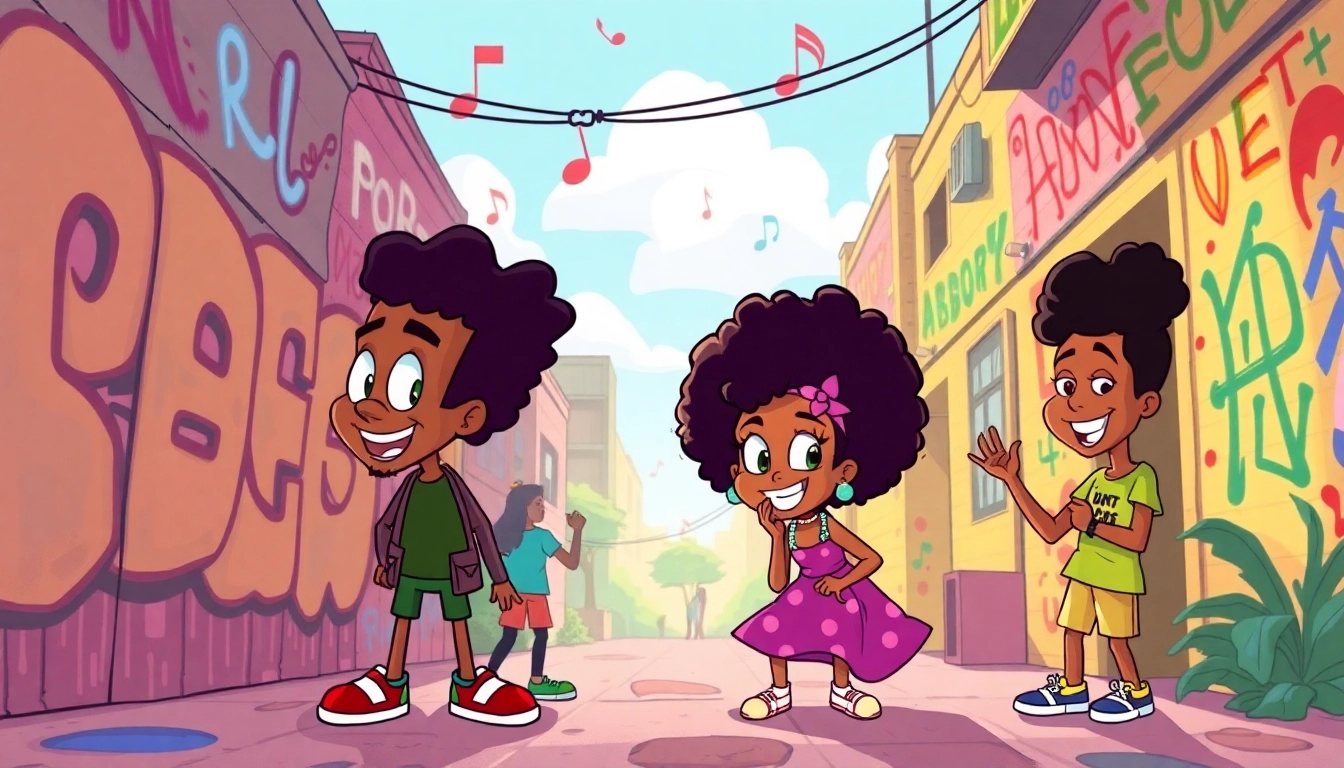
The Cultural Impact of African American Cartoons
African American cartoons have played a significant role in shaping cultural narratives and providing representation within the animation landscape. From classic shows that entertained entire generations to modern offerings that challenge societal norms, these animated series have transcended mere entertainment to become powerful tools for identity exploration and cultural education. As we delve deeper into these animated stories, we also find that African American Cartoons serve as a lens through which audiences can appreciate the depth and richness of African American culture.
Representation in Animation: A Historical Overview
The journey of African American representation in animation began in the early 20th century. While mainstream media often sidelined Black narratives, cartoons in the form of short films during the Jim Crow era perpetuated stereotypes. However, this also led to a counter-movement where Black creators started to reclaim their narratives. Notable early works include the character of "Fats Waller" in various animated shorts, which reflected the jazz culture of the time. Over the decades, the landscape evolved with shows like "Fat Albert and the Cosby Kids" in the 1970s emphasizing community and relatability, ultimately paving the way for more complex representations.
How African American Cartoons Shape Identity
African American cartoons often serve as mirrors to the experiences of Black youth. Characters such as Huey and Riley Freeman from "The Boondocks" reflect the complexities of growing up in America, addressing issues such as racism, identity, and social justice through humor and sharp commentary. These shows not only entertain but also become part of the cultural discourse, prompting discussions about identity among young viewers. Moreover, they inspire pride in one's heritage by showcasing Black culture in a positive light, thus shaping the identity of their audiences.
Key Themes and Messages in Popular Series
At the heart of many successful African American cartoons lie themes that resonate deeply with viewers. Topics such as family, community, and resilience are common threads. "The Proud Family," for instance, explores family dynamics and the importance of cultural heritage while tackling issues like self-acceptance and friendship. Similarly, "Craig of the Creek" showcases multicultural characters and their adventures, emphasizing friendship and the value of collaboration in overcoming challenges. The layered storytelling in these shows provides audiences with relatable content that reflects their lives, fostering a sense of belonging.
Top 5 African American Cartoons to Watch in 2026
Unmissable Classics and Their Modern Reboots
As we look toward 2026, several iconic African American cartoons continue to resonate with audiences. Shows like "The Boondocks" see a resurgence in popularity with new seasons that build on the original's social commentary. "The Proud Family: Louder and Prouder," a reboot of the beloved classic, brings back familiar characters while introducing new ones that reflect contemporary issues, from social activism to inclusivity.
- The Boondocks: Known for its sharp wit and socio-political themes.
- The Proud Family: Louder and Prouder: A revival celebrating family and community in today's diverse landscape.
- Craig of the Creek: Highlighting adventure and friendship among a diverse group of kids.
- Static Shock: A superhero series addressing real-world issues faced by youth.
- Afro Samurai: Combining action and storytelling in a unique style that appeals to older audiences.
New Releases: What’s Trending This Year
In addition to enduring classics, new shows are consistently emerging that celebrate Black culture and storytelling. Shows such as "Young Justice" are expanding their narratives to include more complex Black characters, while "My Dad the Bounty Hunter" brings a fresh take on familial relationships within the context of sci-fi adventures. These new releases are pivotal in keeping the conversation alive, allowing younger generations to engage with culturally relevant themes.
Why These Shows Are Important for Today's Youth
Today's youth are faced with a complex world where representation matters more than ever. African American cartoons not only provide entertainment but also serve as educational tools. They encourage viewers to discuss important socio-political issues while fostering empathy and understanding. By reflecting their experiences, these shows empower young Black viewers to embrace their identities and challenge societal norms. As these series evolve, they continue to play a crucial role in shaping the cultural landscape.
Behind the Scenes: Creation and Development of Iconic Series
Influential Creators in the African American Animation Industry
Several visionary creators have been instrumental in shaping the African American animation landscape. Figures such as Aaron McGruder, creator of "The Boondocks," and Bruce W. Smith, creator of "The Proud Family," have used their platforms to provide nuanced perspectives on the Black experience. Their work not only entertains but also initiates critical conversations about race, culture, and identity, illustrating the power of animation as a medium for change.
The Process of Bringing Characters to Life
The journey from concept to screen involves various stages, including storyboarding, voice casting, and animation. Diverse teams are often assembled to ensure authenticity in character portrayal and storyline development. As studios become more inclusive, the representation in storytelling has improved, resulting in characters that resonate with audiences both personally and culturally. This process highlights the importance of collaboration and creativity in bringing these beloved characters to life.
Challenges Faced in Production and Distribution
Despite progress, African American cartoons still face unique challenges in production and distribution. Limited funding and resource allocation often hinder the ability to create high-quality content that accurately reflects Black experiences. Additionally, the push for more diverse representation within the industry continues to be met with resistance. Nonetheless, the determination of creators and advocates is leading to positive changes, paving the way for more diverse stories and perspectives in animation.
Engaging with African American Cartoons as Educational Tools
Using Animation to Teach Cultural Heritage
Animation serves as a powerful medium to educate viewers about African American history and culture. Shows that incorporate historical figures, events, and folklore can spark curiosity among young audiences. By blending entertainment with education, these cartoons create engaging narratives that captivate viewers while imparting valuable lessons about the richness of Black culture.
Interactive Learning: How Cartoons Can Inspire Young Minds
Interactive elements in animation, such as viewer participation and engagement through social media platforms, encourage young viewers to think critically about the characters and stories they are watching. Educational initiatives that utilize animation can inspire creativity in children, prompting them to explore their own narratives and histories. As educators and parents incorporate these shows into learning, they can reinforce cultural lessons and foster a love for storytelling.
Resources for Parents and Educators
Many resources are available for parents and educators looking to integrate African American cartoons into educational settings. Websites that offer lesson plans, discussion guides, and activity sheets can help facilitate meaningful conversations around the themes presented in these series. Moreover, screening sessions and community discussions can enhance the educational experience, encouraging families to engage with the content together.
Future Trends in African American Animation
Emerging Technologies and Their Impact on Animation
The animation industry is undergoing significant transformations thanks to emerging technologies. The rise of CGI, VR, and AI tools has expanded the possibilities for storytelling and character creation. These technologies not only enhance visual quality but also allow for innovative storytelling techniques. As creators harness these advancements, we can expect to see more immersive and engaging narratives that reflect the diversity of the African American experience.
Predictions for African American Representation in 2026 and Beyond
The future of African American animation is bright, with increasing demand for diverse stories in mainstream media. As audiences continue to seek authentic representations, we can expect to see a surge in content that reflects a variety of experiences and narratives. This shift will likely lead to more African American creators stepping into leadership roles, shaping the landscape of animation for generations to come.
How Audiences are Changing the Landscape of Animation
Today's audiences are more vocal and engaged than ever, demanding diverse content that resonates with their identities. Social media platforms amplify this need for representation, allowing viewers to express their preferences and challenge the status quo. As audiences actively participate in discussions surrounding representation in animation, creators are compelled to respond, leading to a more inclusive industry that reflects the diverse tapestry of society.