
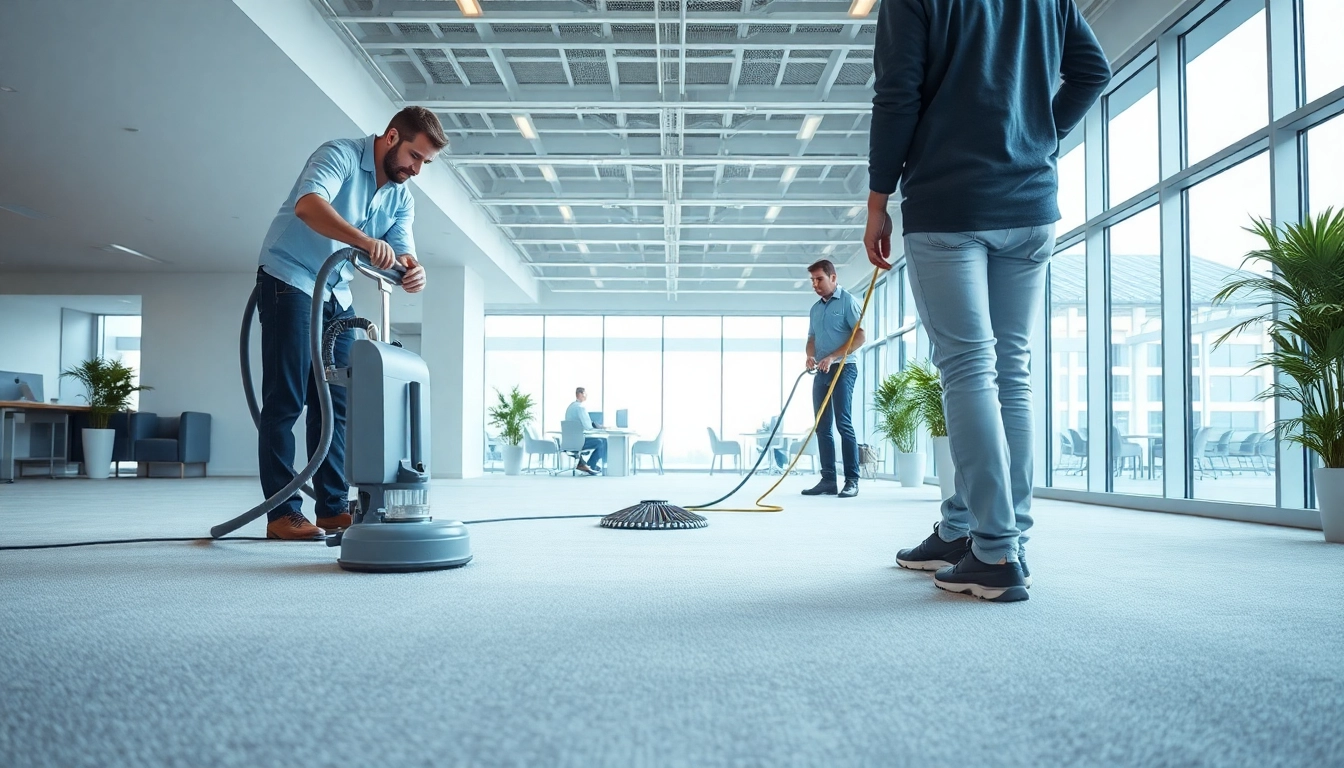
Understanding the Importance of Commercial Carpet Cleaning
Health and Hygiene Benefits
In any business environment, hygiene and health come first. Carpets, particularly in high-traffic commercial spaces, can harbor dust, allergens, bacteria, and other pollutants that may not be evident to the naked eye. This makes commercial carpet cleaning an essential part of maintaining a healthy workplace.
Regular cleaning not only minimizes health risks but also mitigates allergic reactions among employees and customers. Dust mites and other allergens can accumulate within carpet fibers, causing problems like respiratory issues, skin irritations, or other allergic responses. Commercial carpet cleaning removes these threats, ensuring that the air quality remains wholesome.
Impact on Workplace Aesthetics
The appearance of your workplace directly affects both client impressions and employee morale. Clean carpets contribute to a professional and polished image, conveying an organization’s commitment to cleanliness and functionality. Stains and dirt in carpets can create the perception of neglect, which can deter prospective clients and reduce employee satisfaction. By investing in regular commercial carpet cleaning, businesses can maintain an inviting atmosphere that reflects positively on their brand.
Contributing to Employee Productivity
A clean and organized workspace contributes to higher employee productivity. Studies reveal that employees who work in a clean environment often experience reduced stress levels and improved focus. By ensuring that carpeted areas are hygienic and visually appealing, businesses can foster an atmosphere conducive to productivity. Furthermore, employees are less likely to take sick days when cleanliness is prioritized, thus reducing disruptions in workflow.
Methods and Techniques for Commercial Carpet Cleaning
Hot Water Extraction vs. Dry Cleaning
When it comes to methods of commercial carpet cleaning, two popular techniques are hot water extraction (steam cleaning) and dry cleaning. Hot water extraction involves using hot water and a cleaning solution to remove dirt and debris from carpet fibers. This method is highly effective for deep cleaning, as it penetrates the carpet fibers and extracts impurities. It’s advisable for heavily soiled carpets, though it may take more time to dry.
On the other hand, dry cleaning employs a minimal amount of moisture, using specialized products that absorb dirt and are then vacuumed away. This method is suitable for carpets that cannot tolerate excessive water and provides quick results since it doesn’t require long drying periods. However, the efficacy might not match that of hot water extraction for deeply embedded stains.
Frequency Recommendations Based on Traffic
The frequency of commercial carpet cleaning is essential to maintain cleanliness, which can vary based on foot traffic. For instance, areas with heavy foot traffic, such as lobbies or hallways, often require cleaning every 6 to 12 months. Lightly used spaces, like conference rooms or offices, may only need cleaning every 12 to 18 months. Evaluating the carpet’s condition, along with usage intensity, can help determine the optimal cleaning schedule.
Eco-Friendly Cleaning Products
With growing awareness about environmental concerns, many businesses are turning to eco-friendly cleaning solutions. These products are effective while being safe for both the environment and the people who work in the space. Eco-friendly options typically contain natural ingredients, reducing the release of harmful chemicals into the air and preventing residue buildup in carpets. Choosing green cleaning products not only contributes to a healthier workplace but can also resonate with environmentally-conscious clients.
Choosing the Right Equipment for Commercial Carpet Cleaning
Professional vs. DIY Equipment
Opting for professional cleaning services versus investing in DIY equipment ultimately depends on the specific needs and budgets of a business. Professional cleaning services boast high-end equipment capable of deep cleaning carpets more effectively compared to most DIY options. This is particularly beneficial for businesses with larger spaces or specialty carpets that require specific care.
DIY cleaning equipment is often more budget-friendly and can offer convenience for routine maintenance. However, business owners should recognize that using inadequate or improper equipment may lead to subpar results and potentially damage carpets over time. Thus, it’s essential to weigh the requirements before making a decision.
Key Features to Look For
When selecting carpet cleaning equipment, key features should be prioritized. Look for machines that include a strong suction power, adjustable pressure settings, and a variety of attachments that can reach different carpet styles and areas. Portability is also crucial; lightweight machines may be preferable in multi-level buildings. Additionally, functionalities such as quick heating capabilities for hot water systems can significantly enhance efficiency during the cleaning process.
Cost Considerations and Budgeting
Budgeting for commercial carpet cleaning involves considering various factors, including the cleaning method, equipment, materials, and frequency of services. Businesses must weigh the upfront costs of purchasing equipment against long-term maintenance costs. For example, investing in high-quality machines that possess longevity may be more economical than frequently replacing cheaper alternatives that break down easily. Therefore, carefully analyzing the total cost of ownership can aid businesses in making informed decisions.
Implementing a Carpet Maintenance Schedule
Creating a Cleaning Routine
Establishing a carpet maintenance schedule is crucial for ensuring the longevity of carpeting and maintaining an appealing workspace. An effective routine should incorporate daily maintenance, such as regular vacuuming, alongside periodic deep cleaning sessions. Daily vacuuming prevents dirt buildup and debris introduction, while scheduled deep cleaning sessions effectively address persistent stains and grime.
The creation of this routine should consider specific factors such as foot traffic, the type of carpet, and the surrounding environment, enabling businesses to customize their approach accordingly.
Training Staff for Best Practices
To maximize the effectiveness of a carpet maintenance schedule, employee training is essential. Staff should be educated on proper vacuuming techniques, how to identify stains, and how to address minor spills immediately. By empowering employees with the knowledge and tools to take proactive measures, businesses can create a culture of cleanliness that benefits everyone.
Evaluating and Adjusting the Schedule
Running an effective carpet maintenance program also involves constant evaluation and adjustments. Periodically assessing the impact of the implemented schedule helps businesses identify any changes needed based on factors like increased foot traffic or emerging stains. Open communication within the workplace is key — regularly soliciting feedback from employees can provide insight into the program’s efficacy and lead to continuous improvements.
Frequently Asked Questions About Commercial Carpet Cleaning
What is the best method for commercial carpet cleaning?
The best method depends on the carpet type and soil level. Hot water extraction is ideal for deep cleaning, while dry cleaning is suitable for quick maintenance and less moisture.
How often should carpets be professionally cleaned?
Carpets in high-traffic areas should be cleaned every 6 to 12 months, while less frequented areas can be cleaned every 12 to 18 months.
Can I use my home vacuum for commercial spaces?
While home vacuums can be effective, commercial-grade vacuums are recommended for efficiency and durability in handling heavy-duty usage.
What are eco-friendly options for carpet cleaning?
Eco-friendly options include plant-based cleaners and biodegradable solutions that minimize environmental impact while effectively cleaning carpets.
How long does it take for the carpet to dry after cleaning?
Drying times vary based on cleaning methods used, but typically range from 2 to 6 hours for hot water extraction, while dry cleaning methods may lead to immediate use.