Understanding Fine Hair Characteristics
1. The Structure of Fine Hair
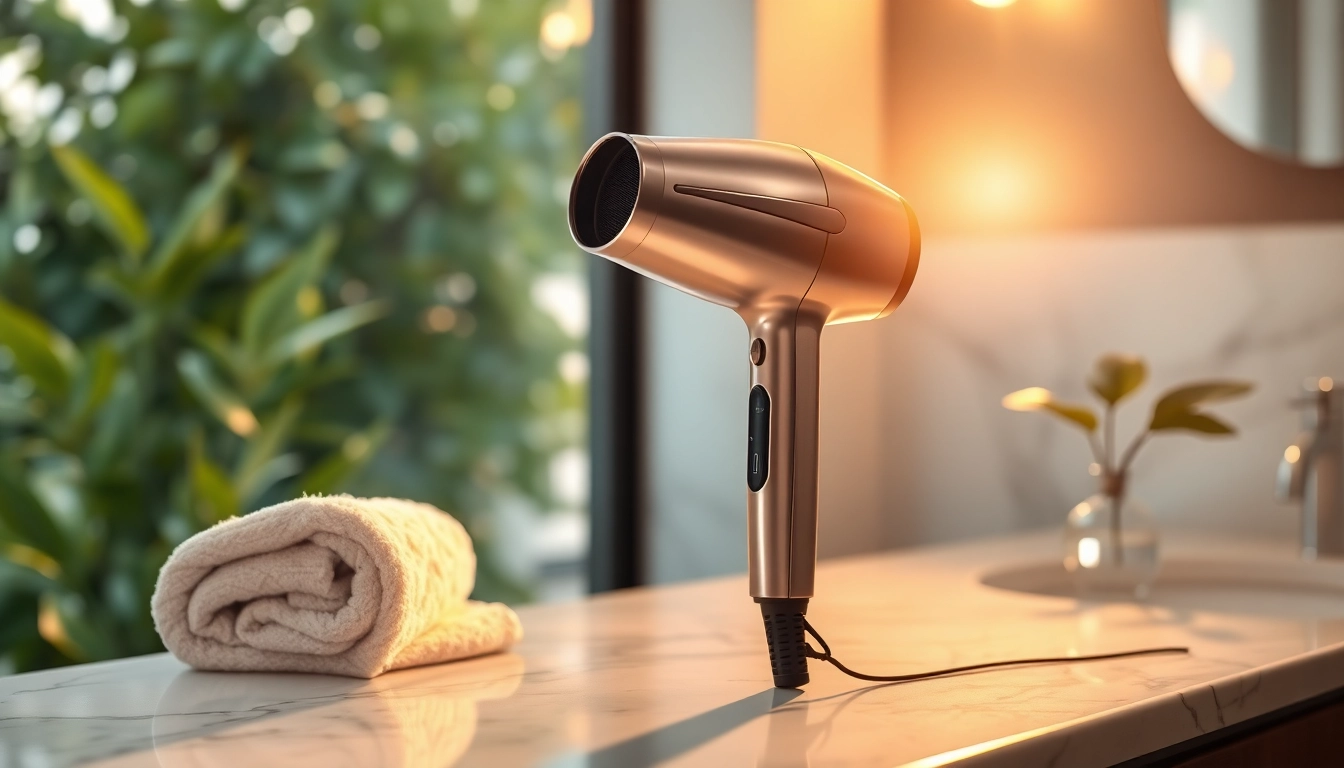
Recognizing the unique structure of fine hair is essential in choosing an appropriate hair dryer. Fine hair strands are thinner in diameter compared to medium or coarse hair types, which results in a delicate texture. This finer structure makes the hair more susceptible to damage from heat and environmental factors. As a result, styling techniques must be carefully considered to maintain the hair’s integrity. Understanding this fundamental aspect can help determine the best Hair dryer for fine hair that suits your needs.
2. Common Challenges Faced by Fine Hair
Fine hair presents several challenges that require tailored solutions. First and foremost, fine hair can often appear limp and lacking in volume. This can lead to a frustrating styling experience, as many styling tools may fail to provide the desired lift. Furthermore, fine hair is more prone to breakage and damage due to its delicate nature. When exposed to high temperatures, it can easily become frizzy or flat. Understanding these challenges is crucial in the selection of a hair dryer that can effectively address them.
3. Signs You Need a Specialized Hair Dryer
If you often find your hair dryer leaving your fine hair feeling over-processed or frizzy, it may be time to consider a specialized hair dryer. Signs that you need a better option include consistent limpness after drying, overheating, or excessive frizz, even when you utilize styling products. These indications often suggest that your current dryer lacks adequate heat control and airflow tailor-made for fine hair. Investing in a quality hair dryer designed for fine textures can alleviate these issues and enhance your styling results.
Why You Need a Specific Hair Dryer for Fine Hair
1. Importance of Heat Control
Heat control is a critical factor when selecting a hair dryer for fine hair. The key is to find a dryer that allows you to manage heat output effectively without compromising the health of your hair. High heat can exacerbate the already fragile structure of fine hair, leading to breakage. A quality hair dryer designed specifically for fine hair typically includes multiple heat settings, enabling you to choose a more gentle temperature suitable for your hair type. This reduces the risk of thermal damage while ensuring styling efficiency.
2. Features to Look For
When searching for a fine hair-friendly hair dryer, several features should be prioritized. Look for models that offer variable speed and heat settings, which allow customized airflow for your specific hair concerns. Additionally, a built-in cool shot button is beneficial as it assists in setting your style after blow-drying, helping to lock in shape and minimize flyaways. Ergonomics should also be a consideration, as a lightweight dryer can prevent arm fatigue during use.
3. The Role of Ionic Technology
Ionic technology in hair dryers can play a pivotal role in alleviating the challenges posed by fine hair. Hair dryers equipped with ionic technology emit negative ions that help break down water molecules quickly. This accelerates the drying process while minimizing frizz and static, resulting in smoother, shinier hair. For individuals with fine hair, this technology can enhance manageability and reduce the time spent styling, making it a desirable feature when choosing a dryer.
Top Features to Consider in a Hair Dryer for Fine Hair
1. Wattage and Airflow
The wattage of a hair dryer directly influences its performance. For fine hair, a dryer with moderate wattage—between 1800 and 2000 watts—generally strikes the right balance. This level allows enough power to dry hair effectively without causing excessive damage from high heat. Coupled with adjustable airflow settings, you can tailor the drying experience to your hair’s unique needs. Higher airflow at lower temperatures is particularly effective at lifting roots and enhancing volume in fine hair.
2. Weight and Design
Weight and design are important features that should not be overlooked. A lightweight hair dryer can offer excellent control and comfort, especially for those with long hair who may spend extended periods styling. Designs that incorporate a comfortable grip and intuitive buttons can significantly enhance the user experience. Additionally, compact designs are often easier to store and transport, making them a great option for those who travel frequently.
3. Attachments and Nozzles
The right attachments can greatly improve the effectiveness of your blow-drying routine. For fine hair, a concentrator nozzle is particularly beneficial, as it directs airflow precisely onto specific sections of hair. This focused airflow minimizes frizz and enhances the sleek appearance of the hair. Another useful attachment is a diffuser, which can also be adapted for fine hair to help define curls and waves without causing volume loss. Ensuring your hair dryer comes with these attachments can elevate your styling game.
Tips for Effectively Using a Hair Dryer on Fine Hair
1. Prepping Your Hair for Blow-Drying
Preparation is key for achieving optimal results when blow-drying fine hair. Begin by washing and conditioning your hair with products specifically designed for fine hair, as they tend to provide essential moisture without weighing the hair down. Consider applying a heat protectant spray to shield your strands from thermal damage. Finally, gently towel-dry your hair to remove excess moisture while being careful not to rub the hair too vigorously, as this can lead to breakage.
2. Proper Techniques for a Smooth Finish
Utilizing correct drying techniques plays a vital role in achieving a smooth finish. Start by sectioning your hair into manageable parts—this will ensure each area receives proper attention. Begin drying from the roots and direct the airflow down the hair shaft to promote shine and reduce frizz. Using a round brush while blow-drying can facilitate a voluminous look, while careful maneuvering at the tips can help create sleek ends. It’s essential to maintain the dryer at a reasonable distance to avoid overheating any one section.
3. Best Practices for Healthy Hair
Maintaining the health of your fine hair should be a priority during the drying process. Always utilize the lowest effective heat setting on your dryer, and consider using the cool air setting as a final touch to seal in moisture and shine. Regular hair trims can also help keep split ends at bay, making styling easier. Furthermore, incorporating weekly hydrating treatments can replenish the moisture content in your fine hair, ensuring it remains healthy and vibrant.
FAQs About Hair Dryer for Fine Hair
1. How do I choose the best hair dryer for fine hair?
Consider wattage, heat settings, and technology like ionic capabilities for optimal styling.
2. Can using a hair dryer damage fine hair?
Excessive heat can cause damage; use lower settings and keep the dryer at a safe distance.
3. What attachments are best for fine hair?
A concentrator nozzle helps direct airflow precisely, minimizing frizz and enhancing volume.
4. Is a lighter hair dryer better for fine hair?
A lightweight design reduces arm fatigue and allows for better control while styling.
5. How can I maintain my fine hair while blow-drying?
Use heat protectant sprays and regularly hydrate your hair with nourishing treatments.