
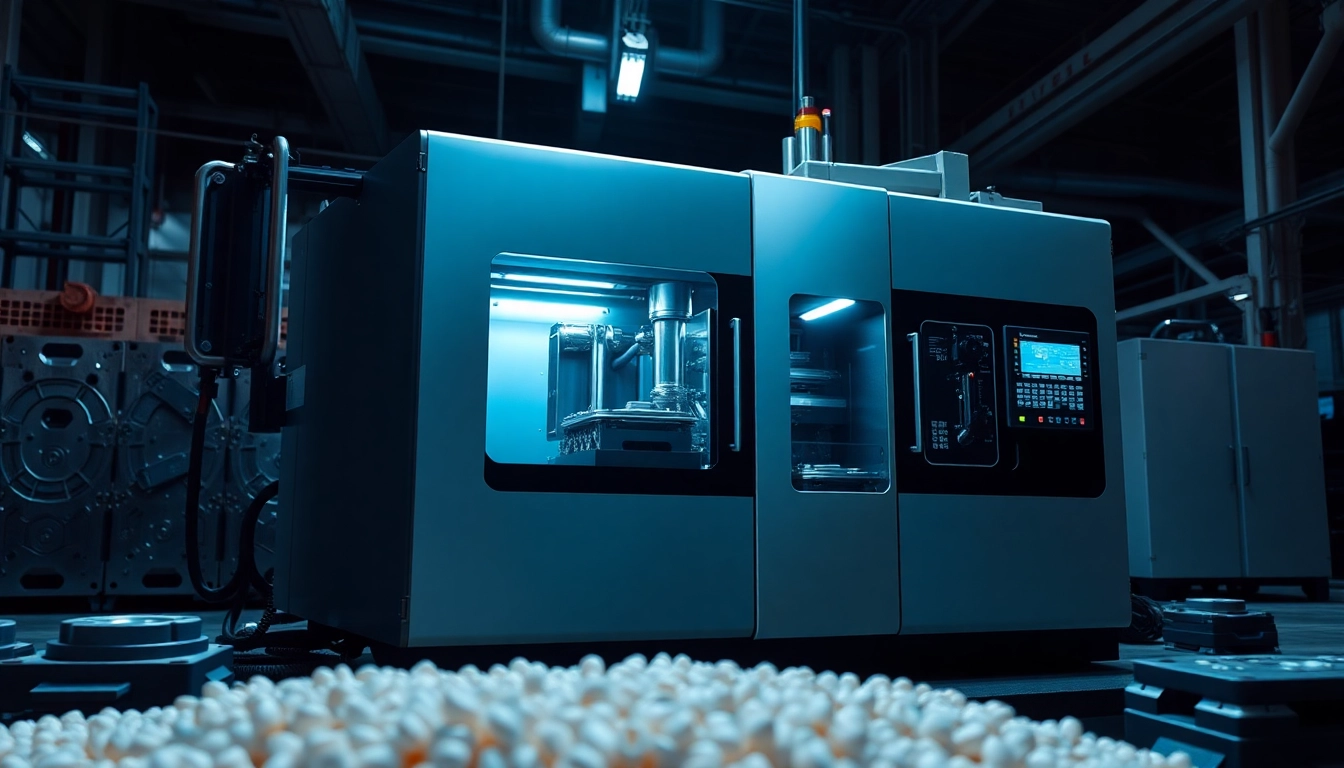
Understanding Injection Molding Machines
Injection molding machines are at the heart of modern manufacturing, transforming raw materials into precisely engineered components. At their core, these machines utilize heat and pressure to inject molten plastic into molds, which solidify to form a wide variety of products, from consumer electronics to automotive parts. As industries evolve, the demand for advanced, efficient, and sustainable manufacturing processes has risen dramatically. This article delves into the intricacies of injection molding machines, focusing on the innovative features of electric models, particularly those offered by Topstar, and their implications for the future of the industry. When exploring options, Injection Molding Machine technologies reveal a comprehensive landscape of capabilities and advancements.
What is an Injection Molding Machine?
An injection molding machine, also known as an injection press, is a manufacturing tool used to create parts by injecting molten materials into a mold. These machines come in various sizes and types, adapting to different applications and materials. The main types include hydraulic, electric, and hybrid machines, each with unique mechanisms and benefits. The key function of these machines is to automate the production of plastic components with high speed and precision, effectively reducing waste and enhancing productivity.
Key Components and Their Functions
The operation of an injection molding machine involves several critical components working in unison:
- Hopper: This is where the raw plastic material is loaded. It feeds the plastic pellets into the barrel for heating.
- Barrel: The barrel houses the screw that melts the plastic. It is heated to a specific temperature to convert solid pellets into a molten state.
- Screw: The screw rotates to mix and convey the molten plastic towards the mold. Its design can vary based on the material being processed.
- Injection Unit: This unit injects the molten plastic into the mold under high pressure. The speed and pressure are crucial for achieving the desired part quality.
- Mold: The mold is the cavity that shapes the final product. Molds can be intricate, allowing for complex part designs.
- Clamping Unit: This unit secures the mold during the injection process. It is critical for maintaining mold integrity and ensuring dimensional accuracy.
The Evolution of Injection Molding Technology
From its inception in the early 19th century, injection molding technology has undergone significant transformations. Early machines operated manually and were limited in terms of efficiency and precision. However, advancements in hydraulic systems, automation, and the introduction of electric models have revolutionized the landscape, allowing for higher speeds, better energy efficiency, and more consistent output quality.
The shift towards electric injection molding machines is particularly notable, as they offer numerous advantages over traditional hydraulic models, such as reduced energy consumption and increased precision. Manufacturers are increasingly adopting these advanced machines to meet rising demands for sustainable and energy-efficient production processes.
Benefits of Electric Injection Molding Machines
Electric injection molding machines provide a number of distinct advantages that enhance their appeal in the manufacturing sector. Below are some of the key benefits that make electric models a preferred choice for many manufacturers.
Energy Efficiency in Modern Manufacturing
Energy consumption is a major concern in manufacturing, given the rising costs of resources and the emphasis on sustainability. Electric injection molding machines utilize servo motors and advanced control systems that significantly reduce energy usage compared to hydraulic machines. This not only results in lower operating costs but also diminishes the environmental impact, aligning with global sustainability goals.
Enhanced Precision and Control
One of the standout features of electric injection molding machines is their exceptional precision. With discrete intelligent drive control, these machines can achieve superior accuracy in position and pressure control. This is particularly beneficial in applications where the slightest variation can lead to defects or material waste. Electric machines provide a consistent performance that enhances product quality and reduces rejection rates during production.
Lower Operating Costs Compared to Hydraulic Machines
While the initial investment in electric injection molding machines may be higher, the long-term operating costs are significantly lower. These machines require less maintenance and have fewer moving parts susceptible to wear and tear. Combined with energy savings and increased efficiency, electric models can lead to a more favorable return on investment over time.
Types of Injection Molding Machines
Understanding the various types of injection molding machines is crucial for any manufacturer looking to optimize production processes. The main categories include electric, hybrid, and hydraulic machines, each offering unique features and benefits.
Overview of Electric vs. Hybrid Machines
Electric injection molding machines are entirely powered by electric motors, providing precision and energy efficiency. Hybrid machines combine elements of both electric and hydraulic systems, aiming to balance speed and power while retaining some energy-saving benefits. The choice between these options largely depends on the specific production environment and product requirements.
Features of the TEII Series All-Electric Machines
The TEII series from Topstar represents the forefront of electric injection molding technology. These machines feature a high-rigidity template design that stabilizes production while protecting the mold. The modular design allows them to adapt to various working conditions, while their user-friendly interface facilitates ease of operation. This series is particularly suitable for manufacturers looking to improve automation and overall efficiency in their production lines.
Applications for Servo-Driven Machines
Servo-driven injection molding machines are known for their versatility. They can be employed in various applications, including the production of complex geometries, multi-material components, and parts that require precise dimensions. The integration of real-time feedback and automatic compensation features enhances their ability to produce high-quality products consistently.
Choosing the Right Injection Molding Machine
Selecting the most suitable injection molding machine for your manufacturing needs involves careful consideration of various factors, including production volume, product complexity, and material types.
Factors to Consider in Your Selection
Before making a decision, manufacturers should evaluate several key factors:
- Production Volume: Determine the expected output to identify the appropriate machine size and capabilities.
- Material Compatibility: Ensure the machine is compatible with the materials you plan to use, including consideration of temperature and viscosity.
- Energy Efficiency: Analyze the energy consumption rates of potential machines to ensure cost-effectiveness.
- Precision Requirements: Identify the tolerances needed for your products to select a machine that can consistently deliver quality results.
Common Misconceptions About Injection Molding Machines
Many misconceptions can cloud the decision-making process when selecting an injection molding machine. One prevalent myth is that electric machines are only suitable for smaller production runs. In reality, advancements in electric injection technology have enabled these machines to handle high-volume production efficiently.
Another common misconception is that they are significantly more expensive to maintain. While the initial investment may be higher, the long-term savings in energy and maintenance costs often outweigh these concerns.
Real-World Case Studies: Success Stories
Several manufacturers have successfully transitioned to electric injection molding machines, reaping the benefits of improved efficiency and product quality. For example, a leading automotive parts manufacturer implemented a fleet of electric machines that not only increased their production capacity but also drastically reduced their energy consumption by nearly 30%. This initiative not only led to cost savings but also positioned the company favorably in terms of sustainability.
Future Trends in Injection Molding for 2025
As technology continues to evolve, the injection molding industry is expected to see significant transformations. Understanding these trends can help manufacturers stay ahead of the competition and leverage new opportunities.
Integration of Automation and Robotics
The future of injection molding lies in automation and robotics. The integration of robotic systems with injection molding machines enhances production efficiency by improving handling, reducing cycle times, and enabling complex operations that would be challenging for human operators alone. This shift will allow manufacturers to operate more flexibly and responsively, adapting quickly to changing market demands.
Emerging Materials and Their Implications
As new materials are developed, the injection molding process must adapt. Biodegradable plastics and composite materials are becoming increasingly popular, requiring machines that can handle diverse materials effectively. Manufacturers that invest in technology capable of processing these materials will likely gain a competitive edge in the market.
Predictions for Market Growth and Technological Advancements
The injection molding equipment market is projected to grow significantly over the next few years, driven by increased demand for consumer goods, electronics, and automotive applications. Technological advancements will continue to play a pivotal role in this growth, with innovations focusing on energy efficiency, automation, and the integration of smart technologies that enhance operational oversight and productivity.
In conclusion, the injection molding machine industry is rapidly evolving, with electric models leading the charge in energy efficiency, precision, and cost-effectiveness. By understanding the various machine types, their benefits, and emerging trends, manufacturers can make informed decisions to optimize their production processes and navigate future challenges successfully.