
1. Understanding the Appeal of Retro Ovens
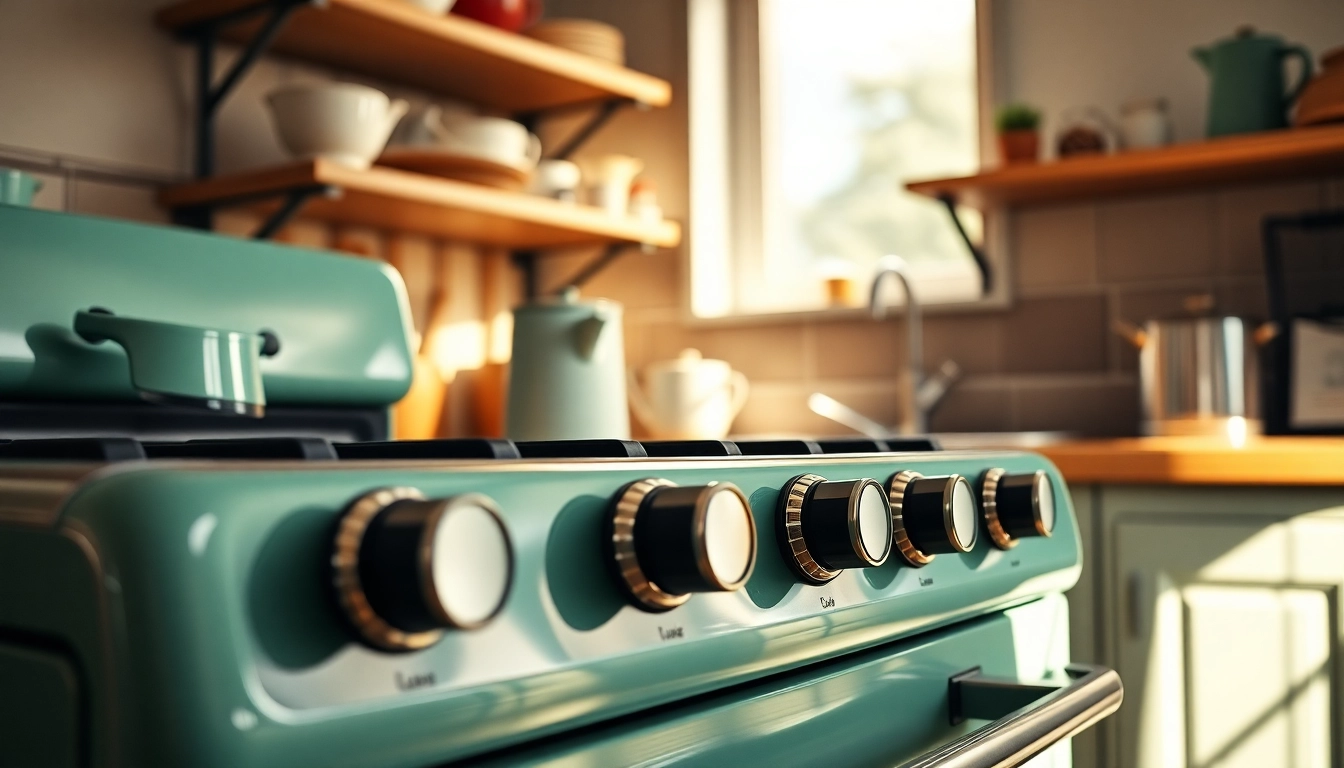
The allure of the Retro Oven extends beyond its functionality; it serves as a timeless emblem of nostalgia and style. These ovens evoke a sense of warmth and familiarity rooted in memories of family gatherings and home-cooked meals. In a world increasingly dominated by sleek, modern designs, the retro option stands out by merging aesthetics with practical cooking capabilities.
1.1 Nostalgic Design Features
One of the most compelling aspects of retro ovens is their nostalgic design. Characterized by rounded edges, vibrant colors, and vintage-style knobs, these ovens transport you back to a different era. Many models also include chrome accents and unique textures, which further enhance their nostalgic charm. For individuals looking to create a cozy, inviting kitchen space, the retro oven is a perfect centerpiece.
1.2 Color Options and Customization
Retro ovens come in a variety of colors, allowing homeowners to express their personal style. From pastel pinks and mint greens to classic reds and yellows, each color option can significantly impact kitchen decor. Beyond color, many manufacturers also offer customization options such as accent trims or bespoke finishes, enabling you to tailor the oven to complement your existing kitchen design seamlessly.
1.3 Functional Benefits of Retro Ovens
Functionally, retro ovens do not compromise despite their seemingly vintage aesthetic. Many models boast modern features like digital controls, convection cooking, and energy-efficient designs. The heat distribution in these ovens is often impressive, resulting in evenly baked goods and perfectly roasted dishes. The blend of aesthetic and functional attributes makes retro ovens a valuable addition to any culinary space.
2. Choosing the Right Retro Oven for Your Kitchen
The process of selecting the perfect retro oven involves understanding not only your cooking style but also your kitchen’s space and layout. By assessing size, features, and budget, you can make an informed decision that balances functionality with aesthetics.
2.1 Size and Space Considerations
Before settling on a retro oven, measure your kitchen space meticulously. Retro ovens come in various sizes, from compact versions ideal for small kitchens to larger, more robust models suited for spacious areas. Consider the layout of your kitchen and determine where the oven will fit best. Additionally, ensure there is enough space for ventilation and access to utilities.
2.2 Key Features to Look For
When evaluating retro ovens, several features should be prioritized. Look for ovens with convection settings for improved cooking efficiency. Self-cleaning options can also save time and effort. Adjustable racks, multiple cooking modes, and smart technology compatibility should further enhance your cooking experience and make meal preparation easier than ever.
2.3 Price Range and Budgeting Tips
Retro ovens are available across a range of price points, making it crucial to establish a budget beforehand. Entry-level models can start around a few hundred dollars, whereas high-end versions may reach several thousand. Factor in not only the purchase price but also installation and maintenance costs. Looking for sales or seasonal discounts can help stretch your budget further.
3. Installation and Maintenance of Your Retro Oven
Understanding the installation and maintenance practices for your retro oven is essential to ensure longevity and optimal performance. Following best practices can prevent common issues and extend the life of your investment.
3.1 Installation Steps and Requirements
Installing a retro oven typically involves several essential steps. First, confirm that local electrical standards are met, especially if you’re transitioning from a gas to an electric oven or vice versa. Connect the oven to the appropriate power source, ensuring secure fittings. It may be advisable to hire a professional for this process to avoid any potential hazards.
3.2 Routine Maintenance Practices
Routine maintenance is crucial for keeping your retro oven in optimal condition. Regularly clean the oven interior to prevent buildup of grease and stains, which can affect performance and flavor. Inspect the seals on the oven door for wear and replace them if necessary to maintain energy efficiency. Additionally, keep the cooktop and knobs free from grime to ensure a safe and functional cooking experience.
3.3 Troubleshooting Common Issues
Common issues can arise with any kitchen appliance, including retro ovens. If your oven isn’t heating correctly, it could indicate a faulty thermostat or heating element. Ensure that all settings are correctly adjusted and that the oven is adequately powered. For more persistent issues, consulting the user manual or reaching out to a professional technician is recommended.
4. Creating a Kitchen Aesthetic with a Retro Oven
The vintage appeal of a retro oven can be harmoniously integrated into various kitchen aesthetics, making it a versatile choice for any style. The goal is to create a cohesive look that celebrates the charm of your chosen oven.
4.1 Design Themes That Complement Retro Style
When integrating a retro oven into your kitchen, consider design themes that complement its unique style. Mid-century modern, farmhouse chic, and industrial retro themes all highlight the beauty of vintage appliances. Mixing old and new elements successfully can create a dynamic space that feels both authentic and fresh.
4.2 Accessorizing Around Your Oven
Accessorizing can enhance the retro vibe of your kitchen. Opt for vintage-style cookware, nostalgic kitchen textiles, and decorative elements that echo the colors or designs of your oven. Items like ceramic canisters, retro recipe holders, and classic cookbooks can all contribute to the overall ambiance while being functional.
4.3 The Role of Lighting in Enhancing Retro Vibes
Lighting is a crucial aspect of any kitchen design. To bring out the beauty of your retro oven, consider installing pendant lights with a vintage touch or under-cabinet lighting that highlights the oven’s features. Warm-toned bulbs can create a welcoming atmosphere, enhancing the nostalgic feel of your kitchen.
5. Frequently Asked Questions about Retro Ovens
5.1 What defines a Retro Oven?
A retro oven typically features vintage design elements such as rounded edges, bright colors, and nostalgic knobs, combining both style and modern functionality.
5.2 Are Retro Ovens energy efficient?
Many modern retro ovens incorporate energy-efficient technologies, making them functional choices that reduce electricity use while offering impressive cooking capabilities.
5.3 Can I use modern cookware in a Retro Oven?
Yes, you can use modern cookware in a Retro Oven, provided that it meets the size specifications and material requirements suitable for your particular oven model.
5.4 How do I clean my Retro Oven?
Cleaning a Retro Oven involves using non-abrasive cleaners, wiping down surfaces regularly, and performing a thorough clean according to the manufacturer's guidelines to avoid damaging the finish.
5.5 What’s the average lifespan of a Retro Oven?
The average lifespan of a Retro Oven is typically 10-15 years, depending on usage, maintenance, and the build quality of the unit, making regular care essential for longevity.