Understanding the 3D Pergola Configurator
In today's fast-paced digital landscape, designing outdoor living spaces has become more efficient and engaging, thanks to innovative tools like the 3D pergola configurator. These digital platforms allow homeowners and designers to visualize their ideas in three dimensions, bringing their outdoor projects to life before a single beam is cut. This article explores the significant advantages of using a 3D pergola configurator, the transformative impact of technology on outdoor design, and how you can leverage these tools to create stunning and functional outdoor spaces.
What is a 3D Pergola Configurator?
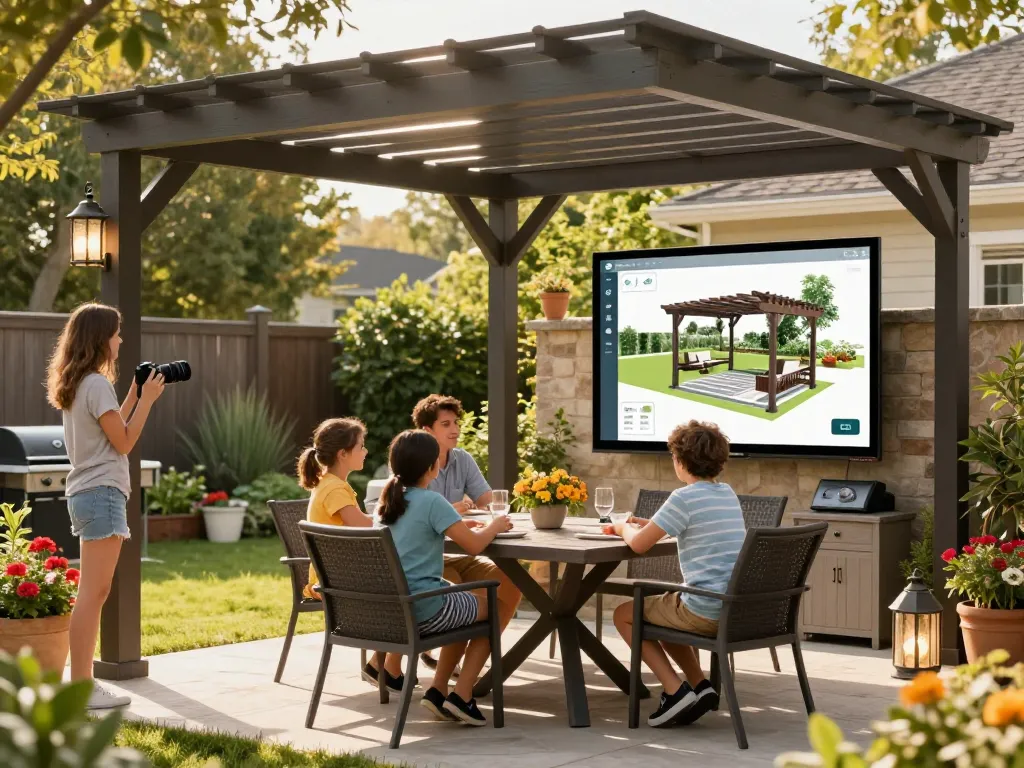
A 3D pergola configurator is an online tool that enables users to design and customize pergolas in a three-dimensional environment. By allowing users to manipulate dimensions, materials, and styles, it enhances the planning process, making it easier to achieve a personalized outdoor structure that complements existing architecture and landscaping. Users can experiment with various configurations, visualize their selections in real-time, and even generate pricing estimates, ensuring that the design meets both aesthetic and budgetary requirements.
Benefits of Using a 3D Configurator for Pergolas
The adoption of 3D configurators for pergolas offers numerous benefits:
- Enhanced Visualization: Users can see their designs in a realistic 3D model, which aids in comprehending spatial relationships and proportions.
- Customization: Configurators provide extensive options in terms of materials, colors, and additional features like lighting and shading, enabling a truly bespoke experience.
- Time Efficiency: Quickly iterate on various designs without the need for physical prototypes or extensive architectural drawings.
- Informed Decision-Making: Users can view how different options interact with their environment, making it easier to choose the best design.
- Cost Estimation: Users receive instant price estimates based on selected materials and configurations, helping manage budgets effectively.
How 3D Technology Transforms Outdoor Design
The influence of 3D technology on outdoor design extends beyond mere visualization. It enables designers and homeowners to collaborate more effectively, allowing for interactive feedback on designs. Changes can be made on the fly, and clients can express their preferences through a hands-on approach. Furthermore, as augmented reality (AR) continues to evolve, users may soon have the capability to project their designs into real-world settings, providing an even more immersive experience.
Getting Started with Your 3D Pergola Configurator
Starting with a 3D pergola configurator might seem daunting, but following a structured approach can simplify the process and lead to a satisfying design experience. Here’s how to navigate the initial steps effectively.
Choosing the Right Configurator: Key Features to Look For
When selecting a 3D pergola configurator, it's essential to consider several key features to ensure it meets your needs:
- User-Friendly Interface: The best configurators are intuitive and easy to navigate, providing a straightforward experience for users of all technical backgrounds.
- Realistic Graphics: High-quality 3D rendering can make a significant difference in visualizing your design.
- Customization Options: Ensure the configurator offers a wide range of materials, colors, and additional features such as built-in lighting or integrated planters.
- Pricing Calculator: Look for configurators that provide live estimates based on your selections to aid budgeting.
- Export Options: Options to export your design or share it with contractors or stakeholders can enhance collaboration.
Step-by-Step Guide to Setting Up Your Pergola Design
Once you have selected your 3D pergola configurator, follow these steps to create your design:
- Define Your Space: Start by inputting dimensions that fit your outdoor area. Consider existing structures and landscaping.
- Choose Your Design Elements: Select a pergola style that aligns with your vision—consider factors like roof shape, post styles, and hardware finishes.
- Customize Further: Adjust colors, materials, and any additional features that will enhance functionality and appeal.
- Visualize and Adjust: Use the configurator's visualization tools to see your design from different angles and make adjustments as needed.
- Finalize and Export: Once you are satisfied, finalize the design and export it for pricing and construction.
Common Mistakes When Using a 3D Configurator and How to Avoid Them
While using a 3D pergola configurator can be rewarding, common pitfalls can diminish the design experience:
- Neglecting Scale: Ensure your dimensions reflect the actual space, as improper scaling can lead to unrealistic designs.
- Overlooking Functionality: Don't focus solely on aesthetics; consider practical elements such as shading, ventilation, and accessibility.
- Skipping Research: Before diving into design, gather inspiration and identify your needs to streamline the process.
- Forgetting About Maintenance: Choose materials that are not only visually appealing but also practical for upkeep in your climate.
Customizing Your Pergola: Design Elements and Options
Customization is a significant advantage of using a 3D pergola configurator. Here are some key elements to consider when designing your pergola.
Selecting Materials and Styles for Your Pergola
The choice of materials can significantly affect the overall look and durability of your pergola. Common materials include:
- Wood: Offers a classic, natural look but requires regular maintenance.
- Aluminum: Lightweight, durable, and rust-resistant, ideal for modern designs.
- Vinyl: Low maintenance and available in various styles, though it may lack the aesthetic appeal of wood.
- Composite: Made from a blend of materials, it offers durability with a wood-like appearance.
Incorporating Functional Features: Lighting and Shades
To enhance your pergola's usability, consider incorporating functional features:
- Built-in Lighting: LED lights can dramatically change the ambiance on warm evenings.
- Adjustable Shade: Retractable canopies or motorized louvers provide control over sunlight exposure.
- Heating Options: If you plan to use your space year-round, consider integrating heating solutions.
Visualizing Your Space: Tips for Using the Configurator Effectively
To make the most of your 3D configurator, keep the following tips in mind:
- Experiment with Different Layouts: Try various arrangements to find the best fit for your outdoor space.
- Get Feedback: Share your design with friends or family for input and suggestions.
- Save Multiple Versions: Keep various iterations of your design to evaluate changes over time.
Real-World Applications of a 3D Pergola Configurator
The practical implications of utilizing a 3D pergola configurator extend beyond the digital realm, offering real-world applications that can enhance outdoor experiences.
Success Stories: Clients Who Mastered Their Designs
Many clients have successfully used 3D configurators to create personalized outdoor spaces that reflect their unique style. For instance, homeowners have documented their journey of transforming standard backyards into lush retreats by utilizing these tools effectively, resulting in spaces that cater to both relaxation and entertainment.
Case Studies of Innovative Pergola Designs
Consider the case of a couple who used a 3D configurator to design a pergola that included integrated lighting and heating elements, enabling them to enjoy their space year-round. Their design included a stunning LED setup that enhanced their nighttime gatherings, while the adjustable shade provided comfort during the day, demonstrating the versatility achievable through careful design.
Integrating Your Design with Landscaping: Best Practices
A well-designed pergola should harmoniously integrate with surrounding landscapes. Here are some best practices:
- Site Analysis: Assess your outdoor space to ensure your pergola complements existing structures and foliage.
- Color Coordination: Choose materials and colors that align with the overall aesthetic of your home and garden.
- Functional Landscaping: Incorporate plants that thrive in conjunction with your pergola, enhancing shade and natural beauty.
Looking Ahead: Trends for 2026 and Beyond
As we move toward 2026, outdoor design is rapidly evolving, influenced by technological advancements and consumer preferences. Here’s what to expect in the coming years.
Emerging Technologies in Pergola Design
Future trends will likely include augmented reality (AR) integrations that allow users to visualize their designs directly in their outdoor spaces using smartphone applications. This immersive approach will provide an unprecedented level of interactivity and personalization in outdoor design.
Future Customization Options for 3D Configurators
As 3D configurators advance, we can anticipate even more options for customization. Features like customizable virtual reality (VR) experiences and real-time collaboration with designers are on the horizon, paving the way for enhanced consumer involvement in the design process.
Preparing for Seasonal Changes: Adaptive Design Strategies
With changing seasons, the need for adaptable designs that can be customized for different weather conditions becomes increasingly important. Future pergola designs may incorporate retractable roofs or adjustable wall panels to maximize comfort and usability throughout the year.
What features should I look for in a 3D pergola configurator?
When evaluating a configurator, prioritize user-friendliness, realistic rendering, and versatile customization options, including pricing calculators and export features.
Can I use a 3D configurator for more than pergolas?
Absolutely! Many configurators allow for the design of various outdoor structures, including gazebos, decks, and outdoor kitchens, providing a comprehensive design tool for your outdoor space.
How can I ensure my pergola design will suit my space?
Start with accurate measurements of your outdoor area and consider existing structures and plants. Experiment with different designs in the configurator to see what fits best.
What are the latest trends in outdoor design for 2026?
Expect to see a growing emphasis on sustainable materials, smart technology integration, and adaptable outdoor spaces that cater to year-round use.
Is it easy to switch designs in a 3D pergola configurator?
Most configurators are designed for flexibility, allowing users to effortlessly switch between designs and styles for a seamless design experience.