
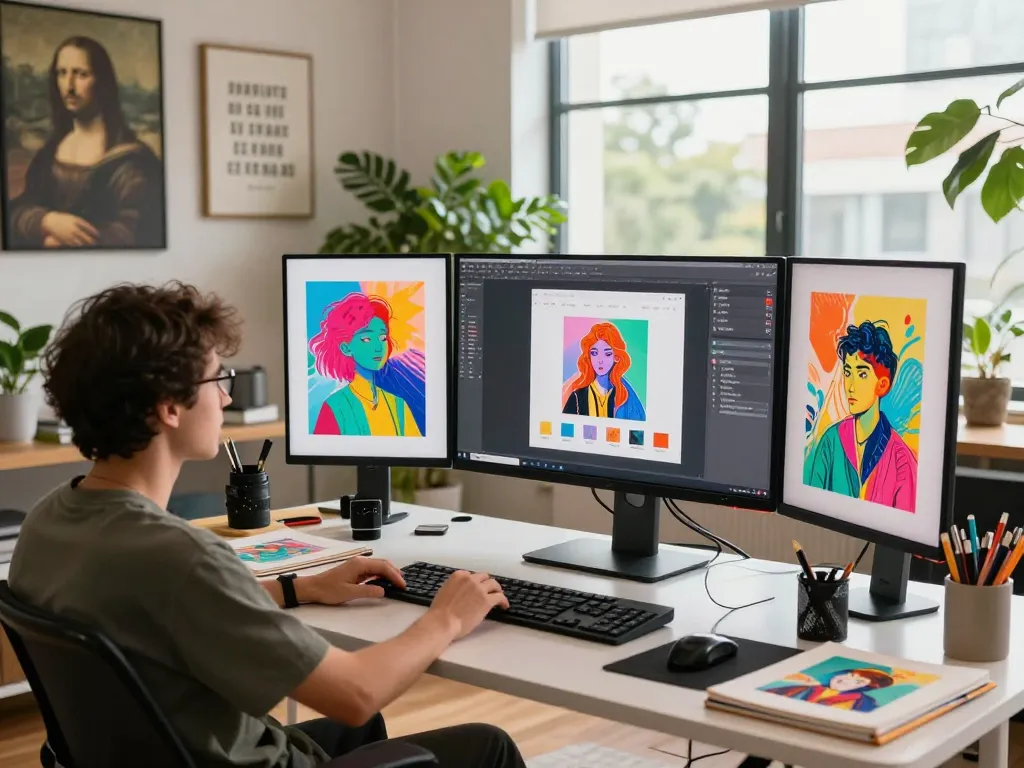
Understanding the Image to Prompt Technology
The advent of artificial intelligence has revolutionized numerous fields, and the realm of visual arts and content creation is no exception. One of the most transformative technologies in this space is the concept of image to prompt, a cutting-edge method that translates visual data into textual descriptions. This technology opens new avenues for artists, writers, marketers, and businesses alike, enabling them to harness the power of AI to enhance their creative processes and streamline their workflows.
What is Image to Prompt and How Does it Work?
At its core, image to prompt technology employs sophisticated algorithms to analyze the contents of an image and generate descriptive text that encapsulates its key elements. This process typically involves deep learning techniques, particularly convolutional neural networks (CNNs), which are trained on vast datasets to recognize patterns, colors, shapes, and objects within images. Once an image is processed, the system generates a textual prompt that can serve various creative purposes, from guiding artistic endeavors to informing marketing strategies.
Key Technologies Behind Image to Prompt
Several key technologies underpin the functioning of image to prompt tools. These include:
- Computer Vision: This field focuses on how computers can be made to gain understanding from digital images or videos. By analyzing visual data, computer vision systems can identify objects, recognize faces, and even infer context.
- Natural Language Processing (NLP): After interpreting the visual content, NLP algorithms construct grammatically correct and contextually relevant sentences that describe the image. This combination of visual analysis and language processing is crucial for effective prompt generation.
- Generative Adversarial Networks (GANs): GANs can be utilized to create highly realistic images based on textual descriptions and vice versa, enhancing the interplay between visual and textual content.
Benefits of Using Image to Prompt Tools in Creative Work
The integration of image to prompt technology into creative workflows offers numerous benefits:
- Efficiency: Artists and content creators can save significant time by generating prompts quickly rather than manually crafting descriptions.
- Enhanced Creativity: By providing inspiration and new angles for projects, these tools can help overcome creative blocks and foster innovative ideas.
- Accessibility: Individuals with limited vocabulary or writing skills can leverage these tools to produce high-quality content, democratizing creative expression.
Practical Applications of Image to Prompt
Enhancing Digital Art Creation with Image to Prompt
Digital artists increasingly utilize image to prompt technology to amplify their creative processes. By generating descriptive prompts that highlight various aspects of an image, artists can explore different styles, themes, and techniques. For instance, an artist might upload a landscape photograph and receive a prompt that details the scene's mood, color palette, and potential narrative—all of which can inform their artwork’s direction.
Using Image to Prompt in Content Writing and Storytelling
Writers and storytellers can also benefit from image to prompt technology. By converting images into textual prompts, they can develop plots, character backgrounds, or even entire narratives based on visual cues. This method is particularly valuable in genres like speculative fiction, where visual inspiration can lead to innovative world-building and character development.
Applications in Marketing and Social Media Strategies
For marketers, understanding the nuances of visual content is crucial for effective engagement strategies. Image to prompt tools can analyze promotional materials and generate text that resonates with target audiences. Marketers can use this technology to create compelling ad copy, social media posts, and even blog content that aligns with the visual identity of their campaigns, ensuring consistency and appeal.
Best Practices for Effective Use of Image to Prompt Tools
Optimizing Input Images for Better Prompt Generation
To maximize the effectiveness of image to prompt tools, it is essential to provide high-quality input images. Users should ensure that images are clear, high-resolution, and feature prominently the subjects they wish to describe. Proper lighting, focus, and composition greatly enhance the tool's ability to generate accurate and relevant prompts.
Combining Image to Prompt with Other Creative Tools
Image to prompt technology should not be used in isolation. It can be combined with other creative tools, such as graphic design software or video editing programs, to produce richer content. For example, a content creator could generate a prompt from an image, then use that prompt to create a storyboard, enhancing the overall creative output.
Common Mistakes to Avoid When Using Image to Prompt
While image to prompt tools can be incredibly useful, users should be mindful of common pitfalls. These include:
- Over-reliance on prompts: Using generated prompts without personal input can lead to homogenized content; it’s crucial to maintain individual creativity.
- Poor image choices: Inputting images that lack clarity or detail can result in vague or inaccurate prompts, undermining the tool's value.
- Ignoring context: Prompts should be contextualized within a broader narrative or marketing strategy to ensure coherence and relevance.
Case Studies: Success Stories Using Image to Prompt
Interview with a Leading Digital Artist Utilizing Image to Prompt
In a recent interview, prominent digital artist Jane Doe shared how she incorporates image to prompt technology into her workflow. By using prompts generated from her sketches, she explores various artistic directions and enhances her creativity while producing art that resonates with her audience. “It’s like having a co-creator that helps push my limits,” Jane remarked.
Transforming Marketing Campaigns with Image to Prompt Insights
A successful marketing campaign for a new smartphone brand utilized image to prompt technology to analyze customer-generated content. By examining photos shared on social media, the brand created tailored marketing messages that spoke directly to consumer experiences, resulting in a significant increase in engagement and sales.
How Businesses Increased Engagement through Creative Prompts
Several businesses have reported increased customer engagement by integrating image to prompt technology into their content strategies. For instance, a travel agency used AI-generated prompts to curate personalized travel blogs based on user-uploaded images. This approach not only improved visibility but also fostered a deeper connection with customers through relatable content.
Future Trends in Image to Prompt Technology (2026 and Beyond)
Emerging Innovations in AI and Prompt Generation
The future of image to prompt technology is rife with potential innovations. As AI continues to evolve, we can expect advancements in machine learning algorithms that enhance the accuracy and relevance of generated prompts, allowing for even deeper insights into visual content.
How Image to Prompt May Evolve for Creative Professionals
In the coming years, image to prompt tools are likely to become more intuitive and user-friendly, catering specifically to the needs of creative professionals. Anticipated developments include real-time prompt generation during the creative process and more personalized features that adapt to individual artistic styles.
Predictions for Industry Changes and User Adoption
As more creatives adopt image to prompt technology, we may witness significant shifts in the creative landscape. Collaboration between artists and AI could redefine traditional creative roles, leading to the emergence of new job titles and operational models within the arts and content industries.