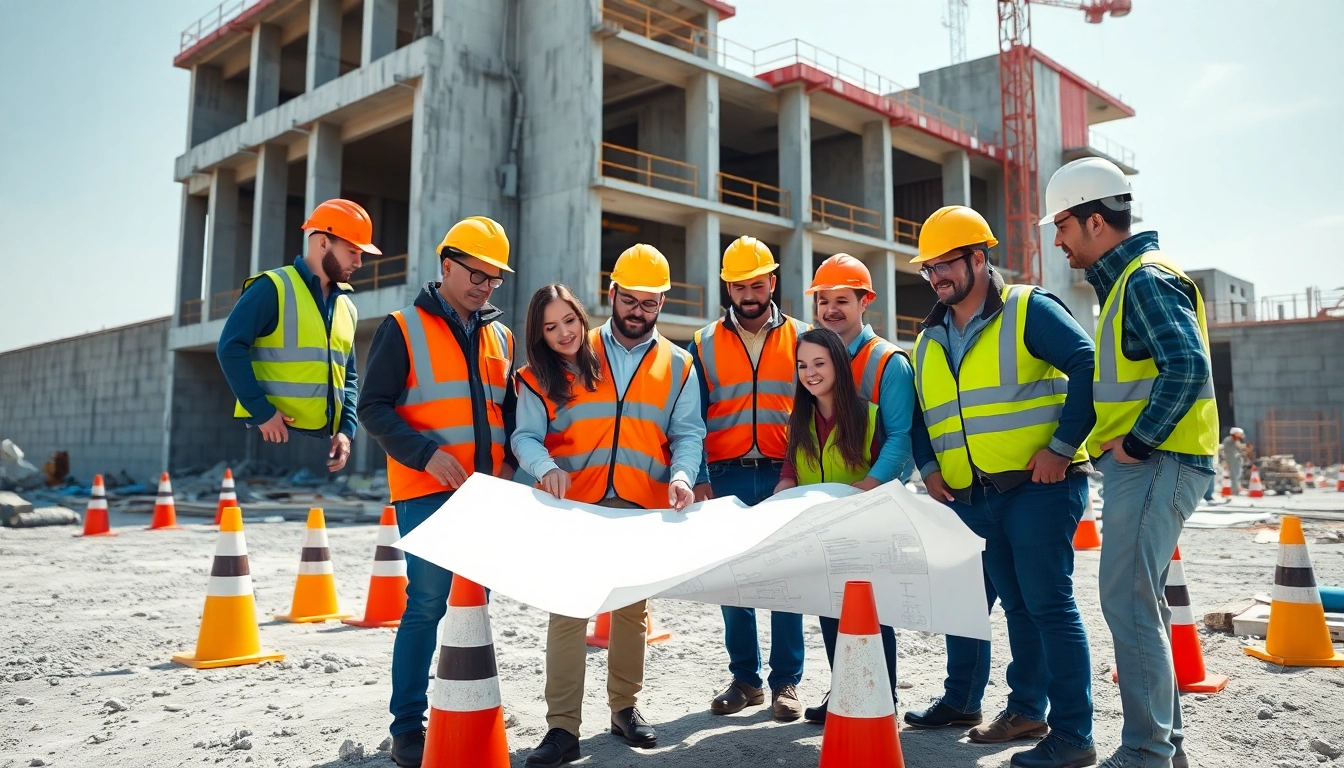
Understanding the Importance of Construction Site Safety
Construction site safety is a critical aspect of the construction industry, affecting not only the well-being of workers but also overall project efficiency and financial performance. Ensuring meticulous attention to safety protocols protects workers, minimizes on-site accidents, and maintains project timelines. As an industry characterized by physical challenges and inherent risks, construction sites require stringent safety practices to mitigate hazards. Emphasizing construction site safety is imperative for fostering an environment where labor and innovation can coalesce effectively.
Defining Construction Site Safety
Construction site safety encompasses a set of guidelines and measures designed to prevent accidents, injuries, and fatalities on construction sites. This includes protocols for equipment operation, personal protective equipment (PPE) usage, hazard identification, and emergency response. It forms the backbone of operational integrity, ensuring that all construction activities adhere to legal and professional standards.
The Impact of Safety on Productivity
Safety on construction sites is intrinsically linked to productivity. Injuries often lead to work delays, increased costs due to medical expenses, and a decrease in workforce morale. Ultimately, a robust safety culture fosters enhanced focus and efficiency, with workers feeling secure and valued. Organizations investing in safety training typically experience a marked improvement in productivity through higher morale and minimized downtime from accidents.
Legal and Financial Implications
Failure to adhere to safety regulations can result in severe legal repercussions, including fines, lawsuits, and even criminal charges. The financial implications extend to increased insurance premiums and liability costs, which can deplete a company's resources significantly. Moreover, loss of reputation can compromise future contracts, making it vital for construction companies to implement effective safety measures.
Common Hazards at Construction Sites
Identifying and understanding common hazards is crucial in promoting construction site safety. By being aware of these risks, contractors can take proactive steps to mitigate potential dangers.
Identifying Physical Hazards
Physical hazards are prevalent in construction environments and include risks such as slips, trips, and falls, which are among the leading causes of injuries. Other physical dangers involve heavy machinery operations, falling objects, and working at heights. Organizations must conduct thorough site assessments to pinpoint these hazards and implement control measures, such as proper scaffolding, signage, and maintenance protocols.
Recognizing Chemical Hazards
Workers may be exposed to various chemical hazards on construction sites, including solvents, adhesives, and other hazardous substances. Knowledge of Material Safety Data Sheets (MSDS) is essential for understanding how to handle these chemicals safely. Proper storage, labeling, and disposal methods must be in place to minimize exposure and comply with safety regulations.
Addressing Electrical Risks
Electrical hazards pose significant risks, including electrocution and electrical fires. It is vital for workers to be trained in identifying potential electrical hazards, and for employers to ensure that all electrical systems are up to code and regularly inspected. Lockout/tagout procedures are essential practices that prevent accidental energizing of electrical equipment during maintenance.
Implementing Effective Safety Protocols
Establishing well-defined safety protocols is integral to fostering a culture of safety on construction sites. This involves comprehensive planning, training, and resource allocation.
Creating Comprehensive Safety Plans
Effective safety plans should encompass all aspects of site operations. These plans must outline potential risks, emergency procedures, and roles and responsibilities of the team members. Regular revisions are necessary as projects evolve and new hazards may emerge. Creating a culture of accountability enhances compliance with safety regulations.
Training Employees on Safety Practices
Training programs should be continuous, incorporating the latest safety standards and practices. Workshops, hands-on training, and regular safety meetings encourage dialogue about safety concerns and best practices. Moreover, involving employees in safety discussions fosters ownership and accountability, ultimately driving compliance and reducing accident rates.
Utilizing Safety Equipment and Tools
Provision of adequate safety equipment is non-negotiable. Essential tools include safety helmets, gloves, and harnesses for working at heights. Equipment inspections and maintenance ensure that tools are functioning correctly, preventing accidents. Training employees in the proper usage of this gear is equally important to maximize safety benefits.
Monitoring and Improving Construction Site Safety
Ongoing monitoring and improvement of safety practices are necessary to adapt to changing circumstances and reinforce safety culture.
Conducting Regular Safety Audits
Regular safety audits enable construction managers to identify strengths and areas for improvement in safety protocols. These audits should review compliance with safety regulations, assess the functioning of safety gear, and evaluate training efficacy. By engaging employees in audit processes, organizations can gain insights directly from those on the frontlines.
Reporting and Analyzing Incidents
Establishing a transparent process for reporting incidents is crucial. Analyzing these reports helps organizations understand the causes of accidents and develop strategies to prevent their recurrence. This might involve modifying workflows, enhancing training, or investing in new safety equipment.
Feedback Systems for Continuous Improvement
Building an effective feedback system encourages communication regarding safety practices. Inviting input from all staff, from management to labor, fosters a culture where everyone is invested in safety outcomes. Regularly reviewing feedback and implementing changes where necessary demonstrates a commitment to improvement and worker welfare.
FAQs about Construction Site Safety
What is construction site safety?
Construction site safety refers to the measures and protocols implemented to prevent accidents and injuries on construction sites.
What are common hazards on construction sites?
Common hazards include falls, electrical hazards, equipment mishaps, and exposure to harmful substances.
How can I ensure my team is safe?
Ensuring team safety involves proper training, using safety gear, conducting regular safety inspections, and following safety protocols.
What tools help improve construction site safety?
Tools like safety helmets, harnesses, and first-aid kits are essential. Additionally, machinery safety features should be utilized.
Why is safety training important?
Safety training empowers employees to recognize hazards and respond correctly, thereby reducing the risk of accidents.