Understanding Transportation Dynamics
Transportation is a dynamic and integral aspect of modern society, influencing not only how we travel but also how we interact with the world. It encompasses a vast array of systems and technologies designed to move people and goods from one location to another efficiently and safely. The Transportation sector is continually evolving, driven by technological advancements, urbanization, and societal needs. This article will explore critical components of transportation dynamics, from its historical evolution and current trends to the various methods utilized today.
What is Transportation?
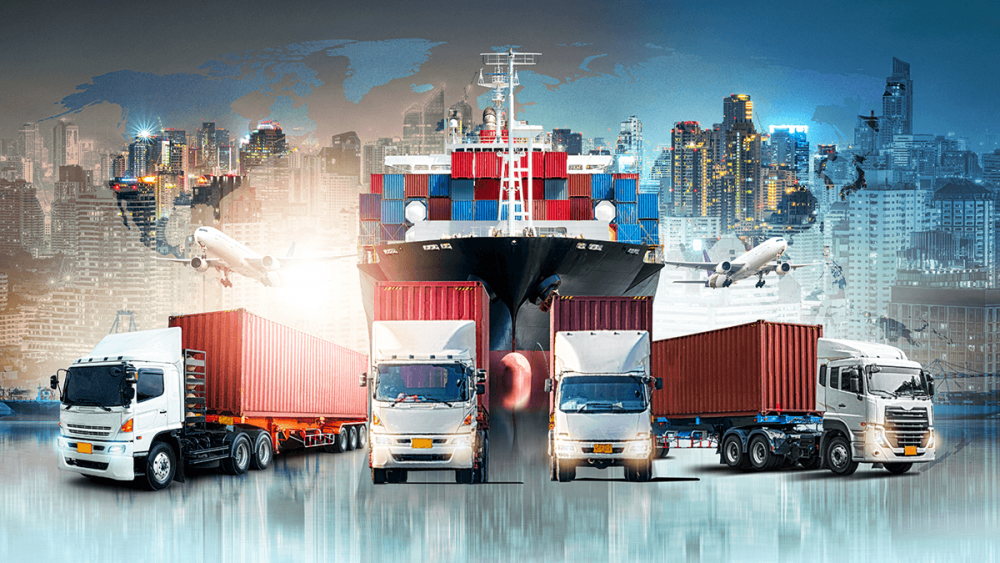
Transportation can be defined as the intentional movement of humans, animals, and goods from one location to another using various means. It includes a broad spectrum of pathways, infrastructures, and vehicles, such as roads, railways, airplanes, and maritime routes. The efficiency with which these systems operate has significant implications for economic development, environmental sustainability, and quality of life.
Historical Evolution of Transportation Systems
The history of transportation is as old as civilization itself, evolving through several key phases:
- Prehistoric Era: Early humans relied on foot travel, using animal skins and wooden tools for basic mobility.
- Ancient Civilizations: The invention of the wheel in Mesopotamia dramatically changed the landscape of transportation, leading to the development of carts and trade routes.
- Industrial Revolution: The 18th and 19th centuries saw the birth of steam engines, railways, and mechanized vessels, revolutionizing passenger and freight transport.
- Modern Era: The 20th century introduced automobiles, airplanes, and public transit systems, constructing urban sprawls and connecting global markets.
Current Trends in Transportation Technology
Today’s transportation landscape is influenced by advancements in technology. Some of the groundbreaking trends include:
- Electric Vehicles (EVs): With a shift towards sustainability, EVs are becoming more mainstream, reducing dependency on fossil fuels.
- Autonomous Vehicles: Self-driving car technology promises to transform individual mobility, aiming to decrease accidents and improve traffic flow.
- Smart Transportation Systems: Integration of IoT (Internet of Things) devices facilitates real-time data collection and route optimization.
- Mass Transit Innovations: High-speed trains and hyperloop technology push the boundaries of public transport efficiency.
Types of Transportation Methods
Public Transportation: Buses and Trains
Public transportation serves as an essential backbone for urban commuting, providing accessible and affordable travel options. Buses and trains play pivotal roles in this sector:
- Buses: Buses are among the most common forms of public transit, offering flexible routes and frequent service in urban areas.
- Trains: Commuter and light rail systems extensively connect suburban communities to city centers, promoting a reduction in personal vehicle use.
For cities, investing in efficient public transportation infrastructure is crucial for reducing congestion and environmental impact.
Private Transportation: Cars and Bikes
For many, private transportation remains the preferred choice due to convenience and flexibility:
- Cars: Cars provide unmatched flexibility for personal travel, catering to individual schedules and destinations.
- Bicycles: Biking is not only environmentally friendly but also promotes health and wellness. Cities worldwide are developing bike-sharing programs and infrastructure to encourage cycling.
Emerging Modes of Transportation
Innovations are reshaping the future of transportation. Notable developments include:
- Drones: Unmanned aerial vehicles are exploring their potential in package delivery and supply chain management.
- Electric Scooters: E-scooters are gaining popularity in urban areas, allowing for efficient short-distance travel.
- Ride-Sharing Services: Platforms like Uber and Lyft have disrupted traditional taxi services, offering convenience and competitive pricing.
Challenges in Urban Transportation
Traffic Congestion and Environmental Impact
Urban areas face significant challenges concerning traffic congestion, which leads to wasted time, increased emissions, and negative impacts on public health. Solutions include:
- Infrastructure Improvement: Expanding and upgrading road networks can alleviate some congestion.
- Promoting Public Transit: Encouraging the use of buses and trains can reduce the number of cars on the road.
- Implementing Congestion Pricing: Charging fees for driving in congested areas can deter excessive vehicle use.
Accessibility Issues for Diverse Populations
Transportation systems must be equitable, providing access to all community members, including the elderly and disabled:
- Barrier-Free Infrastructure: Building accessible sidewalks, ramps, and transit options is crucial.
- Awareness and Training: Training service providers to accommodate diverse needs can improve overall accessibility.
Infrastructure Limitations and Solutions
Many cities are grappling with aging transportation infrastructure that cannot meet current demands. Strategies for addressing these limitations include:
- Investment in Smart Infrastructure: Implementing smart technology within transport systems enhances efficiency and data collection.
- Public-Private Partnerships: Collaboration between government and businesses can leverage resources for better infrastructure development.
Best Practices for Effective Transportation Planning
Integrating Technology in Transportation Systems
Modern transportation strategies increasingly rely on technology for planning and operational efficiency. Best practices involve:
- Data Analytics: Using data from user behavior helps optimize transit routes and schedules.
- Smart Ticketing Systems: Implementing contactless payment systems can streamline the user experience.
Enhancing Public Awareness and Engagement
Building a successful transportation system requires public support and engagement. Engage the community by:
- Conducting Surveys: Understanding community needs helps shape transport policies effectively.
- Public Forums: Initiating discussions and forums can increase awareness and bring new ideas.
Policy Recommendations for Sustainable Transportation
Effective transportation policies must prioritize sustainability by:
- Encouraging Active Transportation: Promote walking and biking through infrastructure development.
- Supporting Clean Energy: Implement policies to transition public transit to electric or hybrid models.
Measuring Transportation Success
Key Performance Indicators in Transportation
To evaluate the effectiveness of transportation systems, organizations use Key Performance Indicators (KPIs) such as:
- Ridership Numbers: Tracking how many individuals use public transportation services.
- On-Time Performance: Measuring buses' and trains' arrival and departure times.
- Customer Satisfaction: Regular feedback from users to enhance services.
Utilizing Data Analytics for Improved Service
The integration of data analytics into transportation helps identify trends and improve logistics by:
- Real-Time Traffic Monitoring: Utilizing GPS and sensors to adjust traffic light timings accordingly.
- Predictive Analysis: Anticipating future transport needs based on historical data.
Future Outlook and Innovations in Transportation
The transportation industry stands on the brink of transformation, with promising innovations on the horizon. Future trends may include:
- Hyperloop Technology: A potential medium for rapid transit, connecting major cities within minutes.
- biosensors in vehicles: Monitoring environmental factors and ensuring passenger safety.
As technology continues to advance, the integration of sustainability and user-focused approaches will significantly shape the transportation landscape in the coming decades.