1. Understanding the Kitchen Loofah
1.1 What is a Kitchen Loofah?
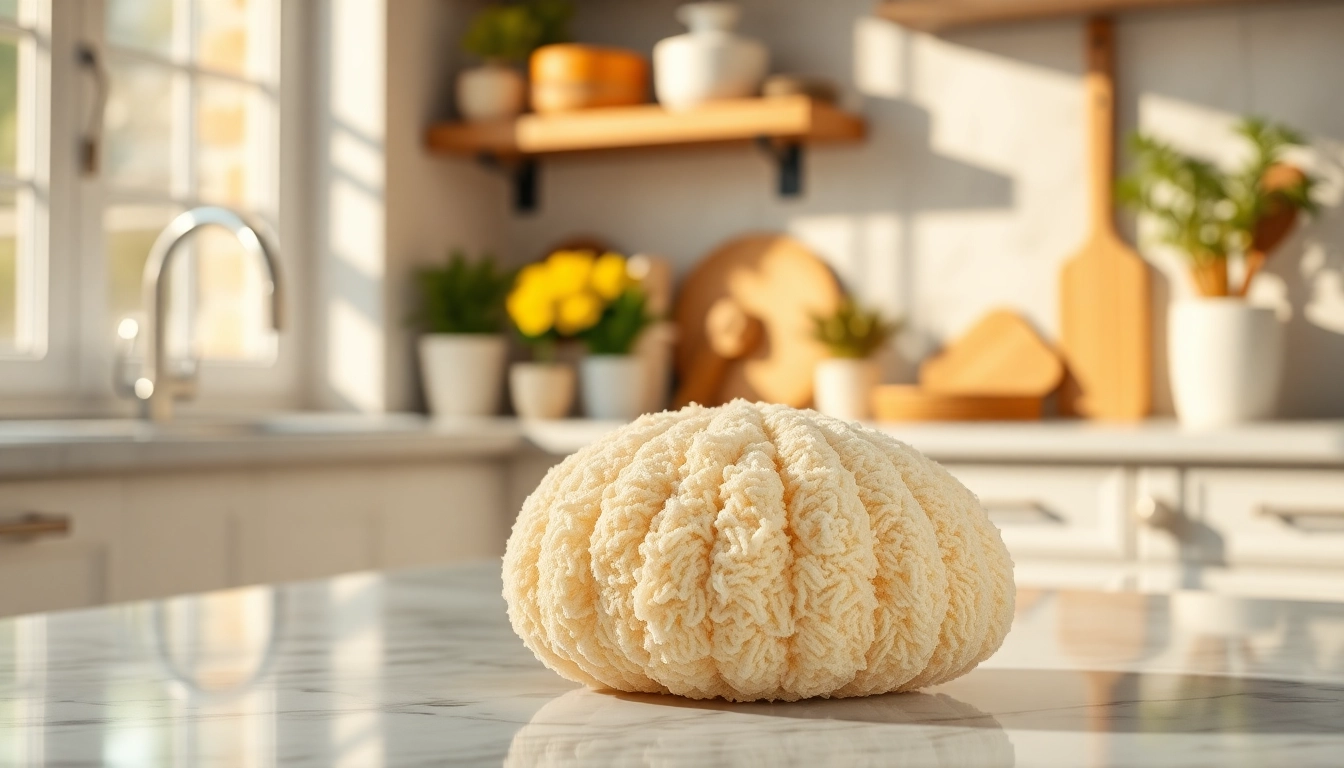
The kitchen loofah is a natural scrubbing tool derived from the dried fruit of the loofah plant, a member of the gourd family. Unlike synthetic sponges, kitchen loofahs possess a fibrous texture that enables effective cleaning, making them eco-friendly alternatives for household tasks. Originating from tropical regions, the loofah plant has been utilized for centuries, not only for cleaning but also in traditional medicine and beauty treatments.
1.2 Benefits of Using Kitchen Loofah
Using a kitchen loofah offers numerous advantages. Firstly, they are biodegradable and compostable, providing a sustainable alternative to plastic sponges. Their coarse texture effectively removes dirt, grime, and food residues from various surfaces, including countertops and dishes. Additionally, kitchen loofahs naturally discourage bacterial growth, offering a healthier cleaning option. Furthermore, they're versatile; once you've finished washing up, they can be repurposed for body scrubbing or gardening uses.
1.3 Choosing the Right Kitchen Loofah
Choosing the right kitchen loofah involves considering factors such as size, texture, and intended use. Larger loofahs can cover more surface area, making them ideal for countertops, while smaller versions are perfect for getting into tight corners. The texture can vary, with some loofahs being softer and gentler, ideal for delicate items, whereas others are more abrasive, suited for tough grime. It’s essential to opt for organic loofahs, as they are free from chemicals and pesticides, ensuring a safer cleaning experience.
2. How to Incorporate Kitchen Loofah into Your Cleaning Routine
2.1 Best Practices for Using Kitchen Loofah
Incorporating kitchen loofah into your cleaning routine can be seamless with the right techniques. Start by wetting the loofah before use to soften the fibers, enhancing its scrubbing capabilities. Use a safe, natural cleaning solution, such as vinegar or baking soda, which pairs well with the loofah's abrasiveness for effective cleaning. Always store the loofah in a dry area post-use to prolong its life and maintain hygiene.
2.2 Cleaning and Maintaining Your Kitchen Loofah
Maintaining your kitchen loofah is crucial for its longevity and effectiveness. After each use, rinse it thoroughly to remove food particles and cleaning solutions. Weekly cleaning involves soaking the loofah in a solution of vinegar and water for about 10-15 minutes, followed by a thorough rinse. Ensure it dries completely before storage; this helps prevent mold and odor build-up.
2.3 Alternatives to Kitchen Loofah for Eco-Friendly Cleaning
While kitchen loofahs provide many benefits, there are alternative options for sustainable cleaning. Consider natural alternatives like coconut coir brushes or cotton dishcloths, which also reduce environmental impact. Additionally, reusing old cloths and towels as cleaning rags is another eco-friendly strategy. Each of these options retains the spirit of sustainability while ensuring effective cleaning outcomes.
3. Kitchen Loofah vs. Traditional Sponges
3.1 Advantages of Kitchen Loofah Over Sponges
One of the most significant advantages of the kitchen loofah over traditional sponges is their biodegradability. Unlike sponges, which can take years to decompose, kitchen loofahs break down naturally, making them a much better choice for environmentally conscious consumers. Additionally, kitchen loofahs tend to resist bacteria due to their natural fibers and allow for better ventilation, which can help keep them odor-free.
3.2 Disadvantages of Kitchen Loofah
Despite their numerous advantages, kitchen loofahs do have some drawbacks. They might not be as readily available in some areas compared to synthetic sponges. Additionally, if not properly maintained, loofahs can become a breeding ground for mold, particularly in humid environments. They also require a bit more care to maintain their cleaning effectiveness over time.
3.3 When to Use Kitchen Loofah Instead of Sponges
Kitchen loofahs are a superior choice when cleaning pots, pans, and dishes with tough grime due to their natural abrasiveness. They shine when used on surfaces prone to scratches, like ceramic or stainless steel. Conversely, for delicate items and non-stick surfaces, a softer alternative should be considered to prevent damage. Understanding when to apply each option is key to optimizing your cleaning efforts.
4. Creative Uses for Kitchen Loofah Beyond Cleaning
4.1 Kitchen Decor Ideas with Kitchen Loofah
Kitchen loofahs can be repurposed as unique decorative elements. Dried and cut into smaller pieces, they can serve as rustic accents in potpourri bowls or as natural fabric hangers for dried herbs. Their neutral color complements various kitchen aesthetics, enhancing both functionality and style. Moreover, loofahs can also be painted or adorned with ribbons to create festive decorations during holidays.
4.2 DIY Projects Using Kitchen Loofah
The versatility of kitchen loofah lends itself to various DIY projects, from homemade bath scrubs to crafts. Create natural bath sponges by sewing a loofah into a cotton pouch, perfect for scrubbing during showers. Alternatively, employ slices of loofah to create unique stamps for art projects, expanding its utility beyond the kitchen. These crafts are not only fun but also economical and sustainable.
4.3 Fun Kitchen Crafts with Kitchen Loofah
Engaging in crafts with kitchen loofah can be an enjoyable family activity. Try making loofah bird feeders by stuffing loofah slices with peanut butter and seeds, then hanging them outdoors. Children can create decorative ornaments by painting and embellishing whole loofahs, allowing their creativity to blossom. Such activities foster not just resourcefulness but also teach sustainability values at an early age.
5. Frequently Asked Questions About Kitchen Loofah
5.1 Can a Kitchen Loofah Be Used on Non-Stick Cookware?
Yes, but be gentle to avoid scratching the surface. It's advisable to test on a small area first.
5.2 How Often Should I Replace My Kitchen Loofah?
Replace it every 2 to 4 weeks, depending on usage and visible wear. Regular replacement helps maintain hygiene.
5.3 Are Kitchen Loofahs Compostable?
Yes, kitchen loofahs are biodegradable and compostable, making them eco-friendly additions to your household.
5.4 Can I Wash My Kitchen Loofah in the Dishwasher?
Yes, washing in the top rack is safe; just ensure it's secure to prevent it from falling out during the cycle.
5.5 Are There Any Allergies I Should Know About?
Rarely, but some individuals may be allergic to natural fibers. Conduct a patch test if you're unsure about using it.