Understanding the Benefits of a Sliding Shower Door
When considering a renovation or establishment of a new bathroom, the choice of door can drastically impact both functionality and aesthetics. Among the various options available, the sliding shower door has gained considerable popularity among homeowners and designers alike. This type of door merges style with practicality while providing numerous benefits that enhance the overall showering experience.
Space Efficiency in Small Bathrooms
One of the most significant advantages of sliding shower doors is their space-saving design. Unlike traditional hinged doors that require room to swing open and closed, sliding doors glide smoothly along a track. This characteristic makes them an ideal choice for compact bathroom layouts. By minimizing required clearance, homeowners can utilize their space more efficiently, allowing for added storage or decorative elements in the restroom.
Easy Access and Maneuverability
Sliding shower doors provide seamless access, making it easier to step in and out of the shower. This feature is especially beneficial for individuals with limited mobility or those caring for small children. The fluid motion of sliding doors reduces the Likelihood of accidents that can occur with pivot doors, which might accidentally hit someone standing nearby. Furthermore, the lack of hinges and cumbersome edges enhances navigation around the bathroom, promoting a more user-friendly environment.
Aesthetic Appeal and Modern Design
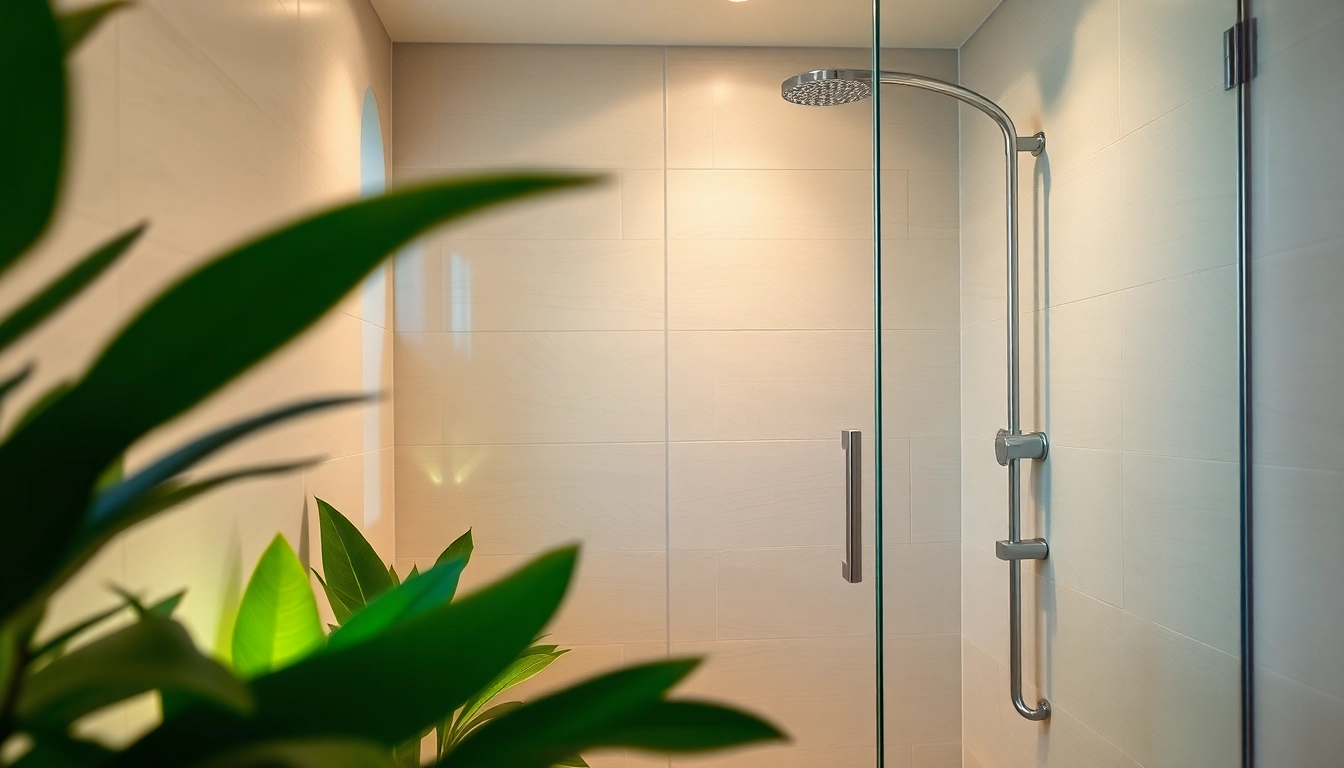
With a clean, contemporary look, sliding shower doors can elevate the visual appeal of any bathroom. They come in various designs, including frameless options that provide an uninterrupted view and a feeling of openness. This minimalist approach enables bathrooms to appear larger and more inviting. Available in multiple finishes—such as chrome, brushed nickel, or black—these doors can complement various décor styles, making it easy to find a match for any theme.
Types of Sliding Shower Door Designs
As the demand for sliding shower doors continues to rise, so does the variety of design options available to homeowners. Understanding the distinctions between these choices can help in selecting the most suitable one for your space.
Frameless Sliding Shower Door Options
Frameless sliding shower doors are characterized by their sleek and polished appearance, offering an unobstructed view of the shower area. These designs are typically made from thick tempered glass, enhancing durability and safety. Furthermore, the absence of a bulky frame contributes to a modern aesthetic, making them ideal for those looking to create a spa-like atmosphere. Maintenance is less burdensome since there are fewer crevices for dirt and mold to accumulate, simplifying the cleaning process.
Semi-Frameless vs. Framed Sliding Shower Doors
Semi-frameless sliding shower doors combine elements of both framed and frameless designs, allowing for flexibility in both functionality and style. They feature minimal framing around the glass, offering a more transitional look that can fit various interior themes. Conversely, framed shower doors provide additional structural support and can be more economical, making them a solid option for budget-conscious homeowners. Both varieties can effectively prevent water leakage and withstand moisture damage, enhancing their long-term value.
Custom Sliding Shower Door Solutions
For those looking to execute a highly personalized design, custom sliding shower doors present the perfect solution. Tailored to fit specific dimensions, these doors can be crafted to accommodate unique bathroom layouts, including niche or irregular shower spaces. Homeowners can choose glass thickness, finish, and even the type of hardware to match their desired aesthetic. This made-to-order approach ensures that the sliding shower door not only fits perfectly but also enhances the overall design of the bathroom.
Installation Process for Sliding Shower Door
Installing a sliding shower door may appear daunting at first; however, with the right tools and a detailed guide, it can be a manageable DIY project or run smoothly by professionals.
Tools and Materials Needed
Before the installation begins, gather the necessary materials and tools. Essential items typically include:
- Measuring tape
- Level
- Drill with appropriate bits
- Screwdriver
- Silicone sealant
- Sliding door track system
- Glass panels
- Safety glasses and gloves
Step-by-Step Installation Guidelines
The installation process can be simplified by following these steps:
- Measure the shower opening to determine the appropriate size for your sliding shower door.
- Prepare the track installation by marking the wall and adjusting it to be level.
- Secure the track onto the wall using the drill, ensuring it is tightly fastened.
- Install wall mounts if necessary and attach the rollers to the glass panels.
- Carefully lift the glass panels into the track, sliding them into position.
- Seal any gaps with silicone to prevent water leakage.
- Test the door’s operation to ensure it slides smoothly.
Professional Installation vs. DIY
While many homeowners opt for DIY installation to save on costs, hiring a professional can assure a seamless and timely setup. Professionals bring experience and expertise, often completing the installation much quicker and with fewer errors. Should you decide to undertake the project yourself, ensure you follow safety protocols and double-check your measurements to avoid costly mistakes.
Maintenance Tips for Your Sliding Shower Door
Maintaining a sliding shower door is essential for preserving its function and appearance. Regular upkeep can prevent common issues and extend the door’s lifespan.
Routine Cleaning Techniques
To keep your sliding shower door looking pristine, implement a cleaning routine using mild soap and water. Avoid abrasive cleaners that can scratch the glass surface. A mixture of vinegar and water can effectively remove soap scum and mineral deposits without damaging the glass. Remember to pay attention to the tracks, as dirt often accumulates there, causing friction and hindering smooth operation.
Preventing Common Issues
To avoid problems such as jamming or difficulty sliding, regularly check the rollers and tracks for any obstruction. Lubricating the rollers can enhance functionality. If you notice issues with the door alignment, adjust the rollers according to the manufacturer’s instructions. Regularly inspect seals for wear and replace them promptly to prevent water leaks.
When to Call for Repairs
If you experience persistent issues, such as a door that won’t stay closed or excessive leakage, it may be time to contact a professional for repairs. Attempting to fix significant problems yourself can lead to further complications or damage.
Frequently Asked Questions About Sliding Shower Doors
What is the average cost of sliding shower doors?
The cost of sliding shower doors can range from $700 to $2,000 depending on size, material, and design. Custom options may incur additional expenses.
Are sliding shower doors difficult to clean?
Not at all. Regular cleaning with mild soap and water, along with vinegar for scum, simplifies maintenance. Avoid abrasive cleaners to prevent scratches.
Can I install a sliding shower door on my own?
Yes, you can install a sliding shower door yourself if you're handy and follow installation guidelines carefully. However, hiring a professional can save time and ensure precision.
What materials are best for sliding shower doors?
Tempered glass is ideal for sliding shower doors due to its strength and safety features. Options include framed, frameless, and semi-frameless, depending on your aesthetic.
How do sliding shower doors compare to other types?
Sliding doors are space-efficient and easy to maneuver compared to hinged doors. They provide modern aesthetic options and can work well in compact bathrooms, enhancing usability.