1. Understanding the Fly Fishing Chest Pack
1.1 What is a Fly Fishing Chest Pack?
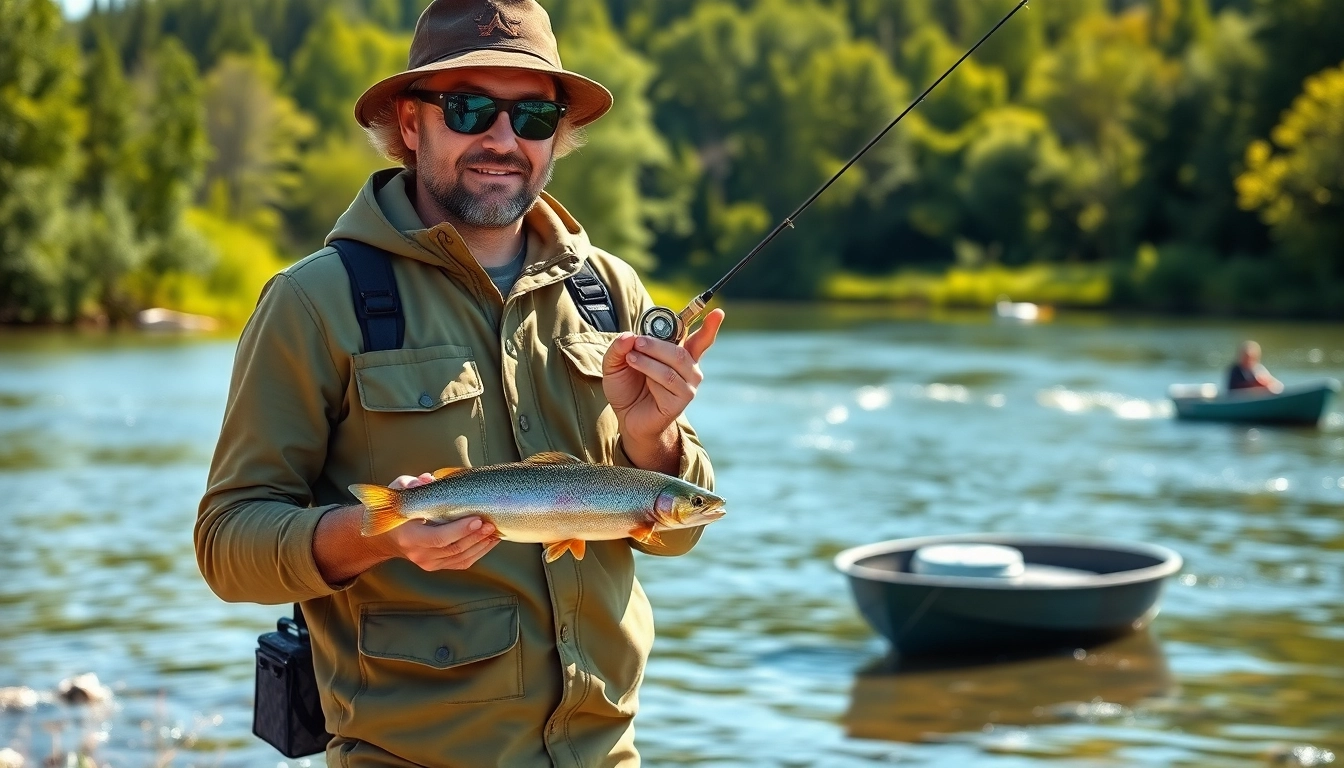
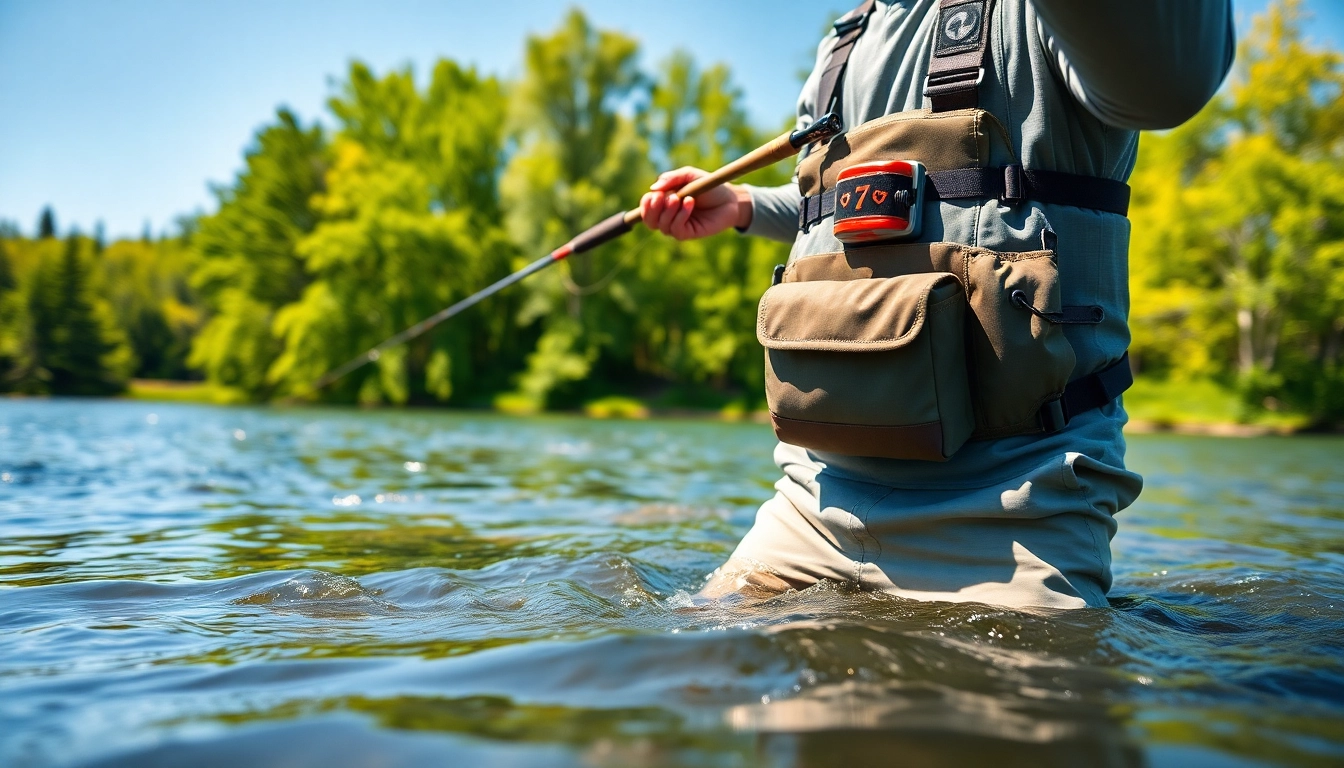
A fly fishing chest pack is an essential piece of gear designed for anglers who prefer lightweight, accessible storage solutions for their fishing essentials. Unlike traditional vests or backpacks, chest packs are worn at the front of the body, keeping your tools and tackle readily available without digging into a cumbersome load. These packs are ideal for those who wish to maintain mobility and comfort while fishing, enabling quick access to tools like tippet, flies, and leader lines. When looking for an ideal fly fishing chest pack, understanding their specific features is crucial for an enjoyable fishing experience.
1.2 Key Features of a Quality Chest Pack
When evaluating a chest pack, several key features differentiate quality packs from inferior models:
- Storage Capacity: A good chest pack should have multiple pockets or compartments to organize gear efficiently. Look for packs that can accommodate your essential tools without being overcrowded.
- Accessibility: The design should allow easy access to your tools while you're actively fishing. Packs with magnetic or easy-open closures are often praised for quick retrieval.
- Adjustability: An adjustable strap system helps customize the fit for comfort. The right fit ensures that the pack remains securely in place during movement.
- Weight: Lightweight materials are essential. Consider packs constructed from lightweight fabrics that won’t add an unnecessary burden during long days on the water.
- Water Resistance: Water-resistant materials can keep your gear dry, especially during unexpected weather changes.
1.3 Benefits of Using a Chest Pack for Fly Fishing
Using a chest pack for fly fishing offers several advantages:
- Hands-Free Convenience: With gear directly in front of you, you can quickly access everything without taking your eyes off the water.
- Mobility: As the pack sits high on your torso, it allows for easier movement, especially while navigating rocky terrains or wading in the water.
- Mint for Miniaturization: A chest pack encourages minimalism, promoting the idea that you only carry essentials. This concept aligns well with efficient fishing practices.
- Improve Casting: Since the chest pack doesn’t obstruct arm movements, it doesn't hinder casting or fishing techniques.
- Temperature Control: With less coverage than bulkier alternatives, you can remain cooler on warm days.
2. Selecting Your Ideal Fly Fishing Chest Pack
2.1 Factors to Consider When Choosing a Pack
Choosing the right fly fishing chest pack requires considering various factors:
- Fishing Style: Consider your fishing activities. For example, if you engage in hiking or backpacking while fishing, select a lightweight design with sufficient capacity.
- Water Conditions: Assess the environments you fish in. Pack durability in windy, wet, or rocky locations or opt for water-resistant options when necessary.
- Personal Comfort: Try on different styles to ensure a comfortable fit based on your body type. Ergonomics should be a priority while selecting a pack.
- Budget: Prices can vary significantly. Consider durability and features to get the best value for your investment.
2.2 Comparing Sizes and Capacities
The size and capacity of your chest pack greatly influence its functionality:
Smaller packs might suit minimalist anglers, capable of carrying just the essentials—fly boxes, leader lines, and a few tools. However, if your style involves longer excursions, you might prefer larger models with expandable storage options and dispersed compartments for optimal organization.
Additionally, adjustable straps that allow better weight distribution can help if you're carrying more gear. An ideal pack should enable you to balance comfort with capacity according to your fishing needs.
2.3 Customizing Your Chest Pack for Comfortable Use
Customization is vital in ensuring your chest pack meets your individual requirements:
Many modern chest packs come with modular systems where you can attach various accessories or pouches. Use these to increase storage efficiency and tailor the pack's functionality to your specific fishing scenario. Opting for padded or adjustable straps is also essential, as it enhances comfort and reduces fatigue, especially over long periods.
3. Top Materials and Construction Techniques
3.1 Durability in Different Weather Conditions
Durability is critical when selecting a fly fishing chest pack, especially if you frequently fish in changing weather conditions. High-denier nylon is a popular choice, as it's robust yet lightweight, ensuring longevity even in rugged environments. Durable stitching and reinforcement on stress points can significantly enhance a pack's lifespan, making it a reliable companion during your outings.
3.2 Water Resistance: Why It Matters
Water resistance is a paramount feature when considering a chest pack. The ideal fly fishing chest pack should include a durable water-repellent (DWR) coating or built-in waterproof materials to safeguard your gear from unexpected splashes and rain.
If you’re likely to encounter wet conditions, look for sealed seams or waterproof compartments to ensure everything stays dry.
3.3 Lightweight Designs for Extended Trips
Lightweight designs are particularly advantageous for anglers embarking on extended trips. A well-constructed pack should weigh as little as possible without compromising functionality. Materials like ripstop nylon and advanced mesh fabrics contribute to reduced overall weight while maintaining strength and support.
Understanding trade-offs between weight and durability is essential; prioritize materials that offer a balance to withstand the rigors of your fishing adventures.
4. Organizing Gear in Your Fly Fishing Chest Pack
4.1 Essential Tools Every Angler Should Have
When organizing your pack, consider including the following essential tools:
- Fly Boxes: Properly sorted fly boxes catered to your fishing conditions will prevent time wasted during fishing.
- Sinker and Float Tools: Having an assortment readily available ensures you can adapt to varied fishing situations.
- Forceps and Pliers: Essential for handling catch and rigging adjustments.
- Nippers: Useful for cutting line or tippet seamlessly on the water.
- Leader Lines and Tippets: Stock varying sizes to adapt to changes in water conditions and target species.
4.2 Tips for Efficient Gear Management
To maximize functionality and organization, follow these tips:
- Color-Coding: Organize flies by color or type for quick identification.
- Pouch System: Use smaller pouches for miscellaneous items like extra line or tools to avoid small items becoming lost.
- Regular Reviews: Periodically check your gear to ensure you only carry what you'll actually need.
4.3 How to Maintain Your Chest Pack
Proper maintenance extends the life of your pack:
After each use, rinse your chest pack with fresh water to remove dirt and salt that may lead to wear over time. Allow it to dry thoroughly before storing it away to prevent mildew. Periodically check for any minor damages, like fraying threads or zipper issues, and address them quickly to maintain peak functionality.
5. Frequently Asked Questions about Fly Fishing Chest Packs
5.1 What size chest pack do I need?
The ideal size depends on the amount of gear you plan to carry. Smaller packs are best for minimalists, while larger packs offer additional storage for longer trips.
5.2 Are fly fishing chest packs waterproof?
Not all chest packs are waterproof, but many feature water-resistant materials. Look for sealed zippers and waterproof compartments for enhanced protection.
5.3 Can I use a chest pack for other types of fishing?
Yes, chest packs are versatile and can be used for various fishing styles, including spin fishing and baitcasting, while keeping gear organized and accessible.
5.4 How can I clean my chest pack?
Rinse with fresh water after each use, and if needed, use mild soap in a sink to clean. Air dry completely before storing to prevent mildew.
5.5 What's the difference between a chest pack and a vest?
Chest packs are worn on the front and typically lighter and more compact compared to vests, which provide more storage but can be bulkier and heavier.