
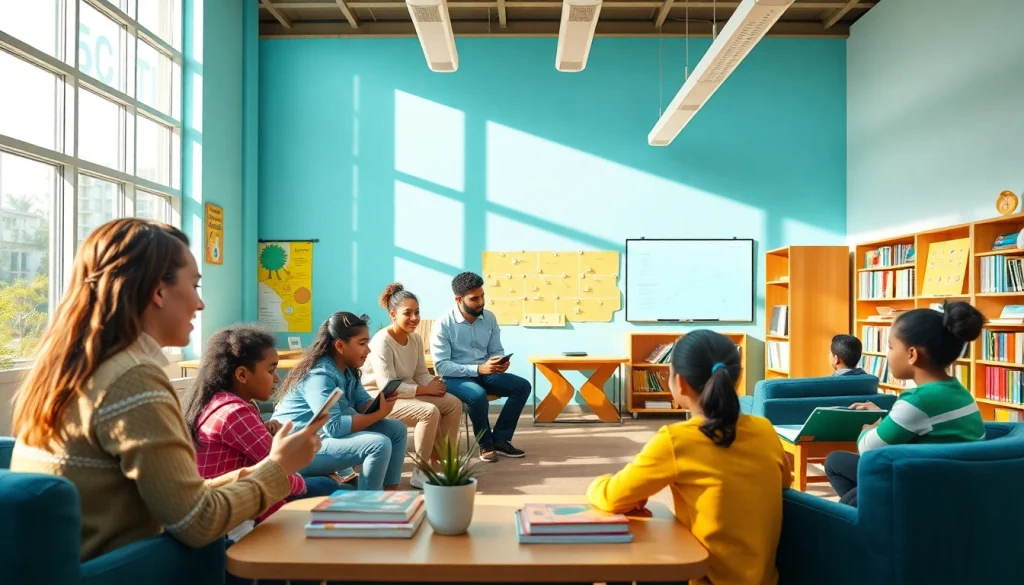
Understanding the Need for Education Reform
The education system is at a critical juncture, necessitating a comprehensive reevaluation of its structures and practices. As we progress into 2026, the conversation surrounding education reform has gained momentum, highlighting the urgent need for equitable access and innovative approaches. This reform is not only about improving academic outcomes but also about addressing the deep-seated inequalities that have historically marginalized certain groups. In this section, we will explore the fundamental aspects of education equity, barriers to access, and the historical context that shapes our current educational landscape.
Defining Education Equity and Its Importance
Education equity refers to the principle of fairness in educational opportunities, resources, and outcomes for all students, regardless of their socio-economic background, race, ethnicity, or geographical location. It is crucial because it lays the foundation for a just society where all individuals have the chance to succeed. Achieving education equity involves identifying and dismantling systemic barriers that prevent marginalized groups from accessing quality education.
Common Barriers to Educational Access
Several barriers hinder equitable access to education. These include:
- Financial Constraints: Many families cannot afford tuition, school supplies, or transportation to quality schools.
- Geographical Disparities: Rural areas often have limited access to educational resources and qualified teachers.
- Policy Limitations: Existing educational policies may unintentionally favor certain demographics over others.
- Cultural and Linguistic Challenges: Students from diverse backgrounds might face discrimination or lack of support in their learning environments.
Historical Perspectives on Education Inequality
Understanding the historical context of education inequality is essential for driving reform. In the United States, for example, the legacy of segregation and systemic racism has created lasting disparities. The landmark Brown v. Board of Education decision in 1954 attempted to dismantle these barriers, but the effects of historical inequities continue to resonate. This historical framework is crucial for devising effective strategies aimed at promoting education equity today.
Innovative Approaches to Education
As the landscape of education evolves, innovative approaches are essential to address the pressing challenges faced by the system. By harnessing technology, embracing new pedagogical models, and fostering community collaboration, we can create a more inclusive educational framework. Here, we will delve into various innovative strategies that demonstrate promise in enhancing educational equity.
Implementing Technology in the Classroom
Technology has the potential to revolutionize the educational experience. By integrating digital tools and resources, educators can offer personalized learning experiences that cater to individual student needs. Tools such as online learning platforms, educational apps, and interactive content can make learning more engaging and accessible, especially for students with different learning styles.
Project-Based Learning as a Tool for Engagement
Project-based learning (PBL) is an instructional methodology that encourages students to learn by engaging in real-world projects. This approach not only promotes critical thinking and problem-solving skills but also fosters collaboration among students. By connecting coursework to real-life contexts, educators can enhance student engagement and motivation, paving the way for deeper learning.
Collaboration Between Educators and Communities
Effective education reform requires collaboration across various stakeholders, including educators, parents, community organizations, and policymakers. Building partnerships with local businesses and non-profits can provide essential resources and support systems that enrich the educational experience. Such collaboration fosters a sense of community investment in education, which is vital for sustained reform efforts.
Strategies for Promoting Education Equity
To create an equitable education system, targeted strategies must be implemented at multiple levels. This section outlines actionable strategies that can effectively promote education equity within schools and communities.
Culturally Responsive Teaching Methods
Culturally responsive teaching emphasizes the importance of including students’ cultural references in all aspects of learning. By recognizing and valuing students’ diverse backgrounds, educators can create a more inclusive environment that respects and nurtures all learners. This approach can lead to improved student engagement and academic success.
Policies Supporting Inclusive Education
Advocating for policies that support inclusive education is crucial. This includes implementing measures that provide additional resources for underfunded schools, promoting diverse hiring practices for educators, and ensuring that curricula reflect diverse perspectives. Strong policies can help dismantle systemic barriers and promote equity in educational settings.
Utilizing Data to Inform Educational Practices
Data-driven decision-making is essential for identifying disparities and measuring progress in education. By collecting and analyzing data on student performance, attendance, and engagement, educators can tailor their practices to better meet the needs of all students. Continuous assessment and adjustment of strategies based on data findings can lead to improved educational outcomes.
Case Studies: Successful Education Reforms
Examining successful education reforms in various contexts can provide valuable insights and inspiration for future initiatives. Case studies highlight innovative practices that have led to significant improvements in educational equity.
Analyzing Successful Schools and Programs
Schools that have implemented successful reform initiatives often share common characteristics, such as strong leadership, community involvement, and a commitment to continuous improvement. For example, schools that adopt holistic approaches, focusing not only on academic success but also on the social and emotional well-being of students, tend to yield better results in terms of equity and inclusion.
Lessons Learned from Global Education Initiatives
Global education initiatives offer a wealth of knowledge on effective practices. For instance, Finland’s education system emphasizes equity and collaborative learning, resulting in high academic performance and well-rounded students. Learning from such examples can help inform local education reform efforts and inspire innovative approaches tailored to specific contexts.
Impact Measurement and Continuous Improvement
Measuring the impact of education reforms is crucial for understanding what works and what doesn’t. Establishing clear metrics for success can guide ongoing efforts to improve educational quality and equity. Schools should engage in regular evaluations and feedback mechanisms to ensure that they remain responsive to the needs of their students.
Future Trends in Education for 2026 and Beyond
As we look towards the future of education, several key trends are emerging that will shape the direction of reforms and innovations. Understanding these trends can help educators, policymakers, and stakeholders adapt to the evolving educational landscape.
Anticipating Changes in Educational Policy
Anticipated changes in educational policy, driven by shifts in societal needs and technological advancements, will necessitate flexibility and adaptability from educational institutions. Policymakers must prioritize equity and inclusivity in their decisions to ensure that all students benefit from future reforms.
The Role of Artificial Intelligence in Education
Artificial intelligence (AI) is poised to transform the educational experience by personalizing learning pathways, automating administrative tasks, and providing real-time analytics on student performance. As AI technology becomes more integrated into classrooms, educators will need to balance its benefits with ethical considerations to ensure equitable access for all students.
Preparing Students for a Global Workforce
In an increasingly interconnected world, equipping students with the skills to thrive in a global workforce is paramount. Educational institutions must focus on fostering competencies such as critical thinking, adaptability, and cross-cultural communication to prepare students for the challenges ahead. Emphasizing global citizenship in curricula can promote understanding and collaboration among diverse populations.