
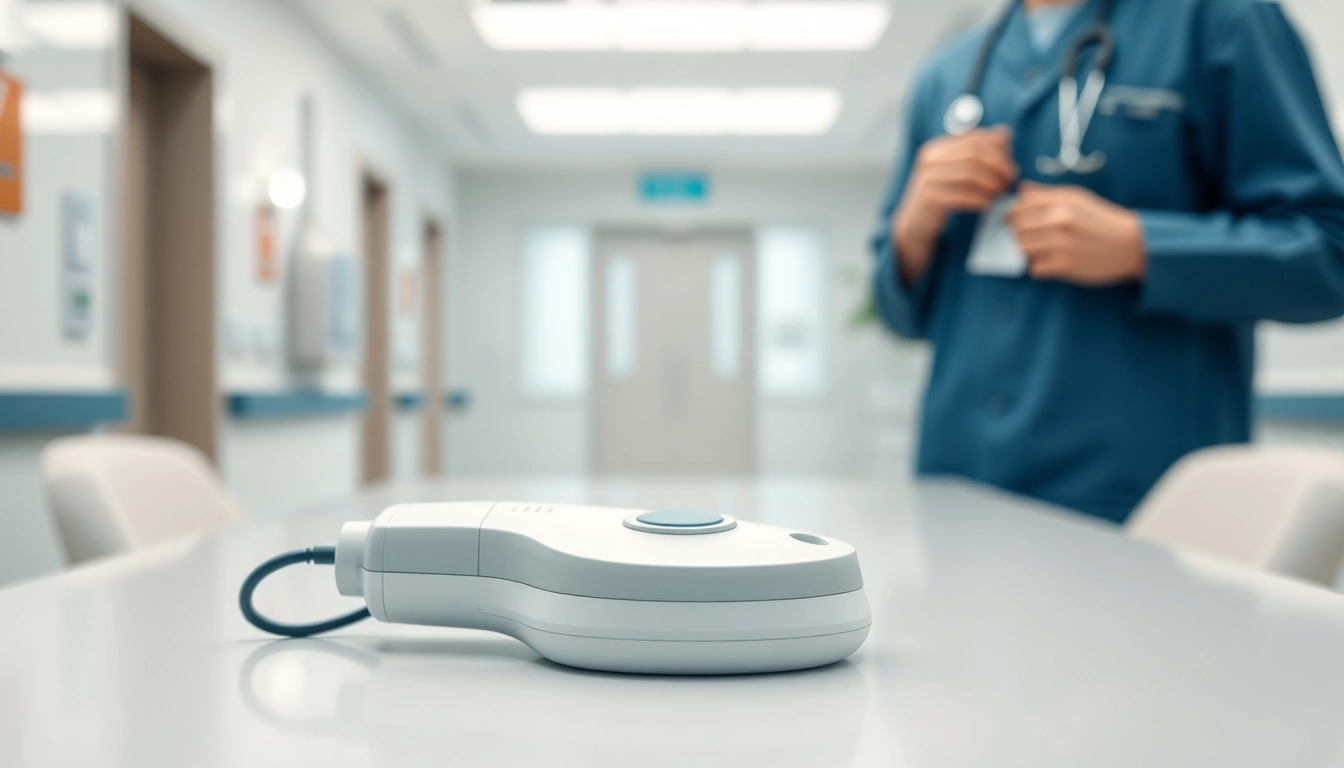
Understanding Choking Hazards and Risks
Choking is a significant health concern that can affect individuals of all ages, leading to severe injury or even death if not addressed promptly. The risks associated with choking can often be mitigated through awareness, proper techniques, and the use of preventative measures, such as a choking device. Understanding the nature of choking hazards and the tools available to prevent them is the first step towards creating a safer environment.
What is a Choking Device?
A choking device is a specialized tool designed to assist in the prevention and response to choking incidents. These devices can range from simple tools that help remove obstructions in the airway to more complex mechanisms that help modify food or objects to make them safer for consumption. The primary goal of any choking device is to provide immediate assistance during a choking episode, thus reducing the chances of injury or loss of life.
Common Causes of Choking in Adults and Children
Choking incidents can arise from various causes, and understanding them can help in preventing such emergencies. Here are some of the most frequent causes of choking:
- Food-related choking: This is the most common cause and often involves improperly chewed food, large food pieces, or inappropriate food choices for certain age groups.
- Toys and Objects: Small objects such as coins, small toys, and even food items are common choking hazards for children.
- Medical Conditions: Certain medical conditions such as dysphagia (difficulty swallowing) and neurological disorders can increase choking risks.
- Alcohol Consumption: Impairment from alcohol can decrease awareness and coordination, increasing the risk of choking while eating or drinking.
Statistics and Impact of Choking Incidents
The impact of choking incidents is profound. According to research from the National Safety Council, choking is the fourth leading cause of unintentional injury deaths in the United States. The statistics reveal:
- Approximately 5,000 deaths per year are attributed to choking.
- Children under the age of four are at the highest risk, with toys and food being the primary culprits.
- Choking incidents involving adults often occur while eating and are commonly associated with high-risk populations, such as the elderly.
These alarming statistics underscore the critical importance of understanding choking hazards and the implementation of preventative measures.
How Choking Devices Work
Mechanics of the Choking Device
Choking devices operate on fundamental principles that focus on relieving airway obstruction. Many devices utilize suction, pressure, or mechanical assistance to expel the blocking object. Here’s how these mechanics typically work:
- Suction Mechanisms: Some devices create a vacuum effect designed to dislodge objects from the airway by applying negative pressure.
- Compression Techniques: Devices may involve compressive actions, which force air into the lungs to expel an obstruction.
- Physical Removal Tools: Certain choking devices are designed to grasp or hook onto the obstructing object for manual removal.
Understanding these mechanics is essential for effectively using choking devices to ensure safety during emergencies.
Types of Choking Devices on the Market
There are various choking devices available, each tailored to specific needs and environments. Here are some common types:
- Manual Suction Devices: These handheld devices create suction to remove foreign objects from the airway effectively.
- Airway Clearing Tools: Tools that help push or pull objects stuck in the throat, often used in hospitals and clinics.
- Food Modifiers: Devices or tools that alter food textures, making them safer for consumption to prevent choking without compromising nutritional value.
Choosing the right choking device depends on the user’s specific environment, whether at home, in a restaurant, or while undertaking activities prone to choking risks.
Choosing the Right Choking Device for Your Needs
When selecting a choking device, consider the following factors:
- Environment: Assess if the device will be used at home, in childcare settings, or both.
- Age and Needs: Understand the age and dietary restrictions of individuals who may be at risk for choking.
- Ease of Use: Choose a device that is easy to understand and operate for effective response during emergencies.
By thoughtfully selecting the right choking device, caregivers and individuals can ensure readiness against choking hazards.
Implementing Proper Techniques with Choking Devices
Step-by-Step Guide to Using a Choking Device
The effectiveness of a choking device greatly hinges on its proper use. Here is a general step-by-step guide for utilizing a choking device:
- Assess the Situation: Ensure that the person is indeed choking; look for signs such as inability to speak, cough, or breathe.
- Prepare the Device: Retrieve your choking device quickly and prepare it for use.
- Position the Victim: If possible, assist the choking individual into a safe position, typically standing or sitting upright.
- Apply the Device: Follow the specific instructions for your choking device, ensuring it is secured properly around the individual.
- Monitor Effectiveness: Continuously observe the individual while using the device to determine effectiveness and if emergency support is needed.
Each choking device will come with specific guidelines, so always read the instructions provided with the device.
Training and Familiarization: Best Practices
Implementing best practices in training and familiarizing users with choking devices is crucial for an effective response during emergencies. Consider the following:
- Regular Training Sessions: Schedule routine training to maintain high preparedness levels among all potential responders.
- Simulated Practices: Engage in mock choking scenarios to familiarize users with device operation in a controlled environment.
- Encourage Questions: Promote an environment where users can ask questions to clarify any uncertainties for better preparedness.
Familiarity with the equipment will not only instill confidence but also enhances response times during an emergency.
Role of Bystanders in Emergency Situations
Bystanders play a pivotal role in choking emergencies. Their awareness, readiness to act, and the knowledge of using choking devices can significantly improve outcomes. Here’s what bystanders should do:
- Stay Calm: Encourage a calm approach to alleviate panic in the victim, facilitating better breathing or response.
- Call for Help: If the choking incident is severe, calling emergency services should be a priority while assisting the choking victim.
- Follow Instructions: If a trained individual is present, follow their guidance and be ready to assist further if required.
Bystanders equipped with the right knowledge can be invaluable assets during choking incidents.
Maintenance and Safety of Choking Devices
Regular Inspection and Care for Your Device
To ensure the effectiveness of choking devices, regular inspection and maintenance are crucial. Follow these best practices:
- Visual Inspections: Perform routine checks for any visible damage, wear, or malfunction.
- Cleaning Procedures: Follow recommended guidelines for cleaning and disinfecting devices to ensure hygienic usability.
- Storage Conditions: Store choking devices in accessible yet safe locations to protect them from damage and ensure ease of retrieval during emergencies.
Signs Your Choking Device Needs Replacement
Understanding when to replace a choking device is essential. Be alert for:
- Visible signs of wear and tear or damage.
- Malfunction or failure during testing procedures.
- Obsolescence due to advancements in choking device technology.
Replacing outdated or damaged devices prevents unaccounted risks during emergencies.
Storing Your Choking Device: Tips and Recommendations
Proper storage ensures that choking devices remain accessible when needed. Here are some tips:
- Location: Choose a prominent location known to all users, ensuring it complies with emergency protocols.
- Label Storage Area: Clearly label the storage area for quick identification.
- Avoid Obstruction: Keep the area around the device free from clutter to facilitate immediate access.
These steps significantly contribute to the device’s readiness during an emergency situation.
The Future of Choking Devices and Innovations
Emerging Technologies in Choking Prevention
As awareness of choking hazards evolves, so do the technologies associated with choking devices. Innovations may include:
- Smart Devices: Modern choking devices could feature sensors that monitor and alert when someone is at high risk of choking.
- Wearable Technologies: Future developments may integrate choking prevention into wearable technology, allowing continuous monitoring of individuals.
The ongoing research in this sector promises a future where choking risks can be minimized even further.
Case Studies: Successful Implementation of Choking Devices
Case studies serve as insightful references for evaluating the effectiveness of choking devices. Notable examples include:
- School Settings: Numerous schools have successfully implemented training programs for both staff and students, dramatically reducing choking incidents.
- Healthcare Integration: Hospitals reporting the use of innovative choking devices integrated into nursing protocols show promising outcomes in patient care.
Such implementations highlight the positive influence of preparedness in emergency response scenarios.
Advocacy and Awareness Campaigns: Making a Difference
Raising awareness about choking risks and the importance of choking devices can significantly reduce incident rates. Successful campaigns often include:
- Community Education Programs: Organizations focused on educating the public about the risks of choking, effective uses of choking devices, and training sessions.
- Partnerships with Healthcare Providers: Collaborations between non-profits and healthcare providers to promote proper choking device use and accessibility.
Such advocacy efforts play a crucial role in transforming societal attitudes towards choking hazards and preventive measures.